Short-Form Videos Impact on Teens: What Parents Should Know
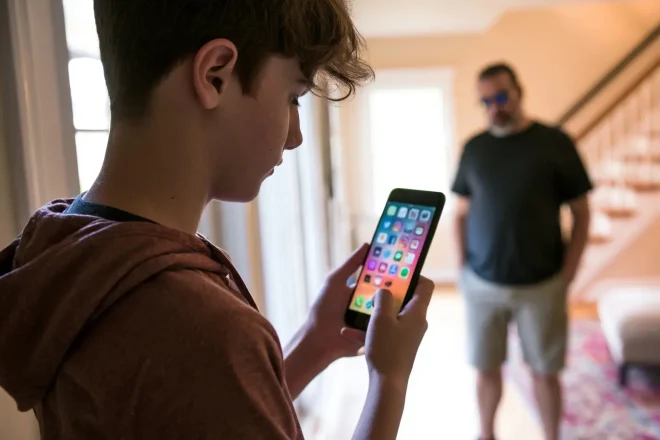
Short-form videos are increasingly popular among teenagers, drawing attention from educators and health professionals. While the trend may appear minor for now, experts urge careful monitoring due to potential impacts on attention, mental health, and digital habits.
TL;DR
- Excessive short video use linked to teen self-harm thoughts.
- Chinese study tracked adolescents over three years.
- Mental health risks rise with increased social media exposure.
Concerning Links Between Short Videos and Adolescent Wellbeing
A sweeping, three-year investigation from China has shed light on a troubling correlation: frequent consumption of short video content appears to coincide with an increase in both suicidal ideation and self-harm among teenagers. The findings add to mounting evidence about the psychological impact of certain digital habits, sparking concern among educators, parents, and public health officials alike.
A Closer Look at the Study’s Methodology
The research team followed a large sample of adolescents—though the exact number has not been disclosed—monitoring their engagement with popular short-video platforms. The aim was clear: to determine whether intensive use might be associated with harmful outcomes over time. Through rigorous statistical analysis and repeated surveys, researchers identified a significant link between heavy consumption of these videos and a heightened risk of adverse mental health symptoms.
The Rise of Short-Form Content—and Its Risks
Over the past decade, the popularity of platforms specializing in quick, engaging clips has soared. These services are often engineered to capture attention through algorithms that prioritize emotionally charged or visually stimulating material. Several factors help explain the potential dangers posed by this model:
- The relentless stream of content may lead to addictive scrolling behaviors.
- Exposure to distressing or unrealistic imagery can distort self-image.
- The lack of moderation increases the likelihood of encountering harmful material.
A Widening Public Health Conversation
Public discussion around social media’s effects is intensifying worldwide—not just in China. This latest study joins a chorus of warnings from pediatricians and psychologists who urge for closer oversight and stronger safeguards. Whether new policies or awareness campaigns will follow remains uncertain, but one point is clear: as digital environments evolve, so too must our approaches to protecting young people’s mental health.
While more research is needed to fully understand these links, this study offers a sobering reminder that the technologies designed for entertainment can sometimes have unintended consequences for vulnerable users.