Simple Habits to Slow Cognitive Decline and Boost Brain Health
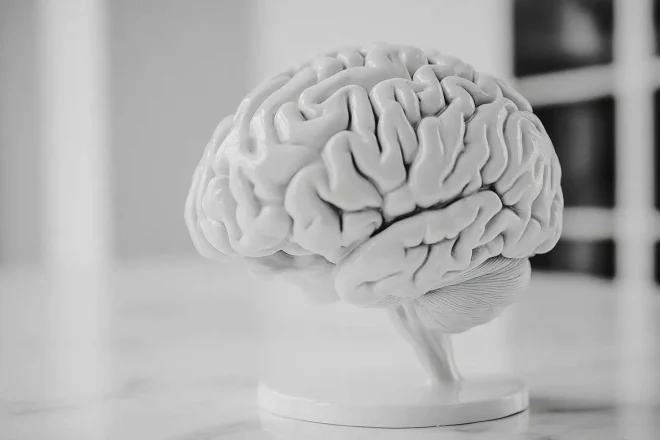
As cognitive decline becomes an increasing concern with age, recent findings highlight that incorporating straightforward daily habits may help preserve mental sharpness and slow deterioration, offering hope for maintaining quality of life in later years.
TL;DR
- Cognitive decline can’t be fully stopped yet.
- Lifestyle habits can slow cognitive aging.
- Diet and social ties play key roles.
Cognitive Decline: No Complete Cure Yet
The elusive goal of halting age-related cognitive decline remains out of reach for science. Despite remarkable advances in neuroscience and medicine, researchers have not discovered a method to completely block the gradual loss of mental faculties that often comes with aging. Still, there’s room for optimism—recent findings suggest it’s possible to influence how quickly those changes occur.
Lifestyle Choices That Matter
Rather than focusing solely on medical breakthroughs, attention is increasingly turning toward everyday choices. Studies consistently highlight that a handful of simple habits may slow the progress of cognitive aging. Several factors help explain this trend:
- Maintaining a balanced and varied diet rich in nutrients
- Regularly engaging in meaningful social interactions
- Pursuing mentally stimulating activities or hobbies
People who incorporate these habits into their routines often report sharper memory, improved concentration, and an overall greater sense of well-being as they age.
The Crucial Role of Diet and Social Life
Eating habits, particularly diets emphasizing vegetables, fruits, whole grains, and healthy fats, have drawn significant interest from experts such as those at the World Health Organization (WHO). These organizations emphasize that proper nutrition supports brain health over time. At the same time, maintaining robust social ties has been associated with reduced risk of neurodegenerative diseases according to several leading institutions—including research teams at renowned centers like the National Institute on Aging.
What Lies Ahead?
While a definitive solution for preventing cognitive decline remains elusive, the evidence points clearly toward the power of proactive lifestyle changes. In short: taking care with one’s diet and prioritizing relationships may not stop cognitive aging altogether, but both appear to meaningfully influence its pace. This message resonates not only within medical communities but also among individuals seeking practical ways to safeguard their mental faculties for years to come.