Spain: Beach Closed Due to Mysterious, Sharp-Toothed Needlefish
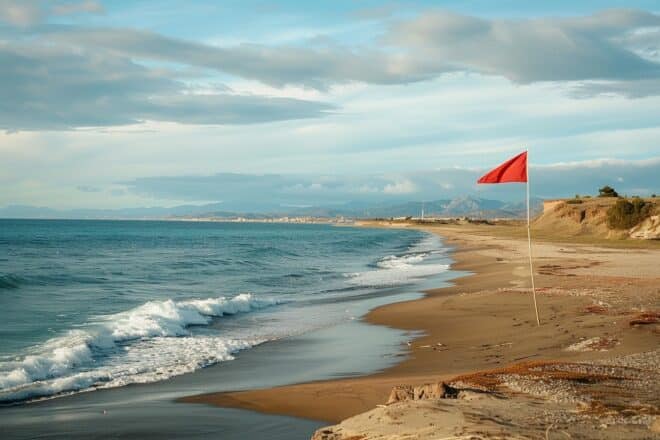
On Tuesday, September 10, 2024, a Spanish beach was put under close watch after a potentially dangerous fish was spotted, indicated by the raising of a red flag. What type of fish could this be?
Marine Hazard Halts Swimming in Girona
On September 10, 2024, the peace at Platja Gran beach in Palamós, Girona, Spain was disrupted when a red flag was raised due to the presence of a potentially dangerous fish.
A Formidable Aquatic Visitor
It wasn’t a shark, but the Tylosurus acus imperialis, a marine creature with a long body and sharp mouth, resembling a swordfish. This fish, also known as the imperial needlefish or orphie, can grow up to 1.4 meters long and belongs to the Belonidae family, characterized by their slender, elongated bodies and jaws equipped with strong teeth.
Tylosurus acus imperialis photo by @AngelR_DB #ThePhotoHour #TwitterNatureCommunity #wildlifephotography #PhotoOfTheDay #TwitterNatureCommunity #wildlifephotography #Biodiversidad #biodiversity pic.twitter.com/33TXtl1S6Z
— Jose Carlos Baez Barrionuevo (@BaezBarrionuevo) August 26, 2022
A Fast and Aggressive Predator
Although the Tylosurus acus imperialis does not directly target humans, its swift movements and pointed snout can cause serious injuries upon contact. The fish becomes particularly aggressive and fast when threatened, and is also known to leap out of the water to evade predators or navigate over floating obstacles. Tropical fishermen sometimes refer to it as a “living javelin” due to injuries caused by fish jumping over their boats.
Climate Change to Blame?
According to El Español, warming waters may be driving this species closer to the coast in search of food. This highlights another reason to adopt environmentally respectful practices to protect our vital marine ecosystem.