Stanley Kubrick’s Barry Lyndon: Mastering Natural Light in Film
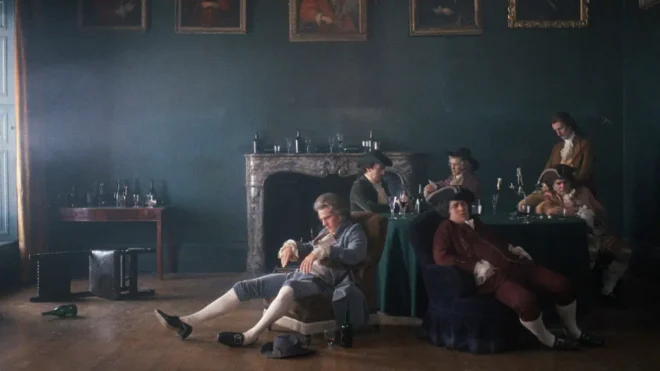
Stanley Kubrick’s film Barry Lyndon is renowned for its bold visual choices, most notably the director’s daring decision to rely on natural light. This ambitious approach transformed historical cinematography and set a new benchmark for authenticity in film.
TL;DR
- Kubrick used NASA lenses for candlelit scenes in Barry Lyndon.
- He achieved authentic lighting in 18th-century interiors.
- This innovation marked a technical milestone in filmmaking.
A Cinematic Revolution in Lighting
When it comes to the visual artistry of cinema, few directors have pushed boundaries quite like Stanley Kubrick. For his renowned period drama, Barry Lyndon, he embarked on an audacious quest: capturing the dimly lit interiors of the 18th century solely by candlelight. But this wasn’t just an artistic whim—it required overcoming profound technical limitations.
The NASA Connection: Unlikely Lenses for Film
What set Kubrick apart was his unwavering pursuit of authenticity. Dissatisfied with conventional film lighting, which would never truly evoke the subtle ambiance of pre-electric interiors, he sought out something extraordinary. Enter the Nikon lenses designed for NASA missions. These ultra-fast optics, originally engineered for satellite photography and lunar exploration, possessed an unprecedented aperture of f/0.7. Such sensitivity to light had never been utilized on a film set before.
A Technical Feat Redefining Cinematic Realism
Several factors explain why these specialized lenses proved revolutionary:
- They allowed shooting in extremely low-light conditions without artificial enhancement.
- The result was a uniquely immersive, painterly aesthetic faithful to the era’s atmosphere.
- The collaboration between Kubrick’s team and lens engineers enabled custom modifications for camera compatibility.
The decision to use NASA optics not only challenged established practices but also demanded inventive problem-solving from everyone involved. The production team had to adapt cameras and refine focus techniques due to the razor-thin depth of field—every candle flame flickered with unprecedented clarity while backgrounds melted softly away.
An Enduring Legacy in Film Innovation
Ultimately, Kubrick’s painstaking efforts bore fruit: every scene glows with the gentle, authentic light that might have illuminated an aristocratic drawing room centuries ago. The achievement didn’t just serve storytelling—it became a technical milestone that has inspired countless filmmakers since. By daring to pursue realism through groundbreaking technology, Stanley Kubrick elevated the craft and expanded what was possible on screen.