Stephen King Exposes the Double Standards of Action Movies
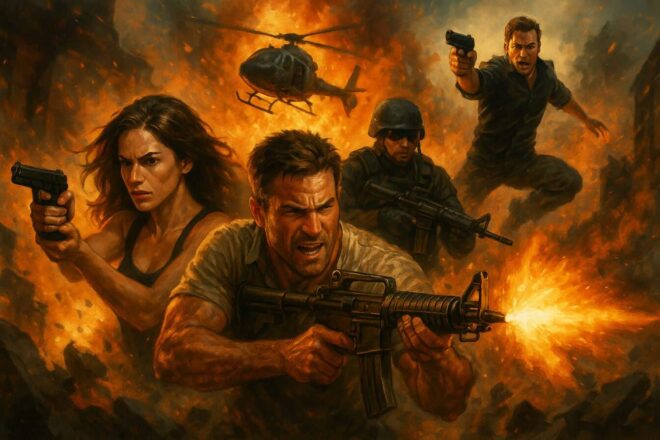
Stephen King has often critiqued the action film industry for what he perceives as its double standards and moral contradictions. His observations shed light on ongoing debates about violence, storytelling, and authenticity in contemporary cinema.
TL;DR
Hollywood’s Double Standard on Violence
When it comes to the body count, even the world’s most polished secret agent racks up a surprisingly grim tally. Across 24 films, James Bond has claimed approximately 597 lives—an average of about 25 per installment. By comparison, the notorious masked killer Jason Voorhees, a fixture of horror cinema, accounts for “just” 195 murders in a dozen films, roughly sixteen per appearance. It’s an uncomfortable contrast: while Bond epitomizes sophistication and justice, Jason is dismissed as a bloodthirsty fiend. The numbers, though, tell another story—a story of heroes whose so-called righteousness comes with staggering collateral damage.
The Morality Behind On-Screen Carnage
Action-packed blockbusters rarely shy away from violence—provided it serves what’s portrayed as a noble cause. Audiences cheer when heroes dispatch villains in the name of saving the world or defending the innocent. The same crowds often recoil at the gore of slasher films, where death is rendered in visceral detail and viewers can’t escape its horror. The difference is not always about volume but context: heroic brutality is applauded if “bad guys” are on the receiving end; monsters get no such reprieve.
The Illusion of Clean Violence
Prominent voices have started to challenge this selective lens. Recently, bestselling author Stephen King voiced his misgivings in an interview with The Time UK, pointing out how today’s high-budget spectacles—especially those featuring super-powered protagonists—turn mass destruction into sanitized family entertainment. As he put it: “If you watch these superhero movies… entire city blocks are obliterated without a drop of blood… And that’s wrong. It’s almost pornographic… If you won’t show violence honestly, don’t show it at all.” In adaptations like his own “The Long Walk,” King demands viewers confront both physical and psychological brutality head-on—a far cry from Hollywood’s sanitized mayhem.
The Unspoken Recipe for Blockbuster Appeal
To keep mainstream audiences comfortable, big studios follow familiar formulas:
- Lethal force against major villains is always justified.
- Pain and suffering disappear behind grand stakes or heroism.
- Lack of visible blood makes extreme violence palatable for all ages.
King argues this approach sidesteps responsibility—and reality—by masking true consequences under spectacle. The question lingers: should filmmakers strive for honesty about violence rather than dilute its impact? For discerning viewers, it’s getting harder to ignore that thin line between righteous hero and glorified executioner—a line Hollywood keeps deliberately blurry.