Streaming: An Overload of Platforms, Expenses, and Decisions for Viewers
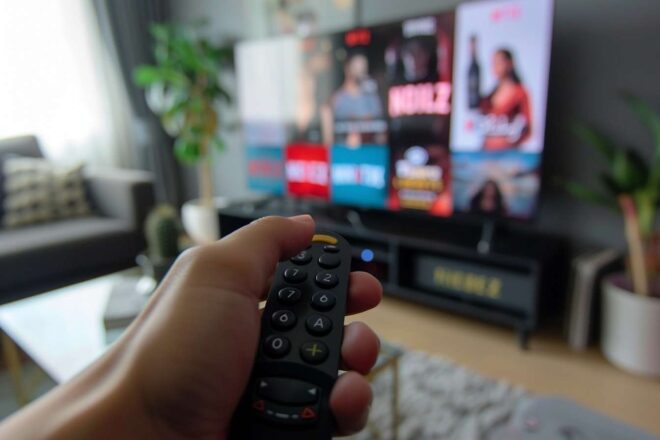
The abundance of streaming platforms has transformed how audiences consume media, but the sheer number of subscriptions, rising prices, and overwhelming content libraries are leaving many viewers frustrated as they struggle to keep up with costs and choices.
Tl;dr
The End of the Affordable Streaming Dream
Once championed as a cost-effective alternative to traditional cable, the era of cheap streaming services seems firmly behind us. Today, stacking subscriptions from all major providers—opting for ad-free tiers—can send your monthly bill soaring past the $100 mark. This dramatic price escalation has not gone unnoticed by consumers already weary of shrinking content libraries and shifting platform policies.
How Consumers Are Adapting
Unsurprisingly, many Americans are rethinking their digital entertainment budgets. According to a recent study conducted by Reviews.org, the average monthly spend on streaming subscriptions has dropped to $42.38—a notable 23% decrease within just one year. The explanation lies in an observable trend: subscribers are cancelling more frequently, frustrated not only by rising costs but also by frequent removals of favorite shows and movies. With long-term contracts making a quiet comeback in some corners, many wonder if the cycle is coming full circle.
Interestingly, instead of abandoning these platforms altogether, users have embraced the so-called «churning» strategy: subscribing briefly to one service for a particular show or new release, then switching to another as interests shift. It’s an approach that provides both flexibility and control in an ever-more crowded market.
Breaking Down the Numbers
Navigating this complex web of offerings requires careful comparison. Here’s how leading services stack up today:
With full access across all top-tier options—each sans ads—the total can approach $120 every month.
The Age of Strategic Switching
Few are willing to shoulder that hefty sum simply for variety’s sake. Instead, pragmatic viewers increasingly rotate among platforms: cancelling here to sample there, activating a subscription just long enough to binge a new release before moving on again. Some see this as a clever adaptation—the «true freedom promised by streaming» finally realized through selective engagement.
Yet even as nostalgia lingers for what some describe as «the golden age of cheap streaming», one fact stands out: never before have audiences had such a breadth of choice—or such tough financial decisions to make about their viewing habits.