Sugary Drinks and Alcohol Linked to Increased Risk of Hair Loss
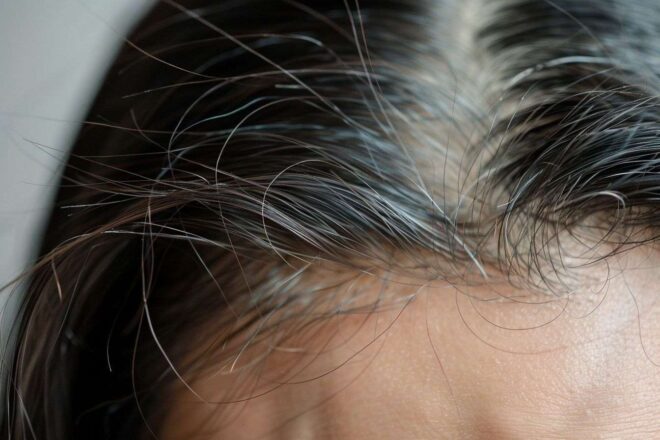
Recent discussions in health circles suggest a potential link between the consumption of alcohol and sugary drinks and an increased risk of hair loss. Experts are examining how these beverages may impact overall hair health and contribute to thinning.
TL;DR
- Diet rich in vitamin D and iron supports hair health.
- Sugary drinks and alcohol linked to increased hair loss risk.
- Current research shows correlation, not causation, warns experts.
The Nutrition–Hair Loss Connection Gains Clarity
Fresh insight is emerging around the relationship between our diet and the state of our hair, following a comprehensive analysis of over 17 international studies. The research, involving more than 61,000 participants—most of them women—suggests that what we eat may have a more pronounced impact on alopecia and the effects of aging than previously thought. Yet as with much in science, the story is nuanced.
Key Nutrients: Allies for Stronger Hair
Amidst all the data, certain nutrients have stood out as especially beneficial for hair vitality. According to Julia Zumpano, a dietitian at the Cleveland Clinic, “Nutrient intake plays an essential role in preventing hair loss.” Research has highlighted the importance of vitamin D, iron, various proteins (both animal and plant-based), soy products, and cruciferous vegetables such as Brussels sprouts and broccoli. These nutrients are believed to contribute to follicle formation and oxygen delivery—key processes for maintaining healthy hair.
If you’re considering tweaking your plate for better hair health, here are some foods identified by experts:
- Cruciferous vegetables: Brussels sprouts, broccoli
- Soy and high-quality proteins (plant or animal)
- Foods rich in vitamin C, vitamin A, or folate
The Sugary Drink Dilemma: Why Does It Matter?
On the flip side, a consistent association emerged between frequent consumption of sugary beverages or alcohol and an increased risk of losing hair. Some specialists propose that these drinks may interfere with the body’s absorption of vital nutrients for the scalp—possibly by impacting gut microbiota or simply crowding out more nutritious choices. As nutrition underpins not only how we look but also our underlying health, minimizing quick sugars and alcoholic drinks appears wise—not just for aesthetics.
Cautious Interpretation: Correlation Isn’t Causation
Still, experts like Dr. Zhaoping Li, head of Clinical Nutrition at the UCLA David Geffen School of Medicine, urge restraint in reading too much into current findings. The bulk of available research is cross-sectional; it captures dietary habits at one moment rather than establishing cause-and-effect over time. What’s more, since women made up most study participants, generalizing these outcomes remains tricky. Methodological differences across studies add another layer of complexity.
In sum: while strong evidence links nutrition and hair health, any single meal is just part of a broader puzzle—one best approached thoughtfully rather than reactively.