Super Bowl 2025: Major Carriers Enhance Networks for the Big Game
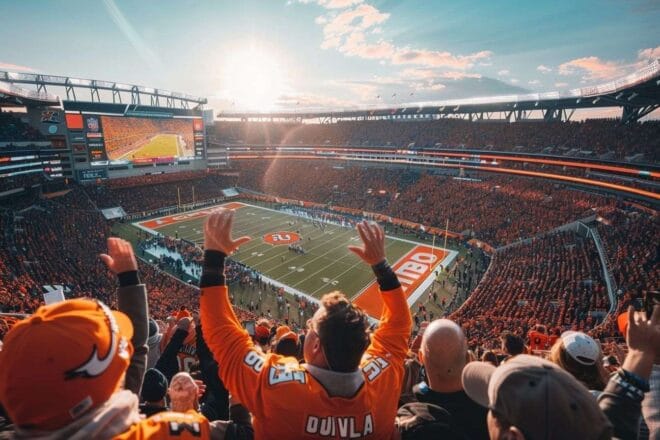
Learn how leading telecom operators are stepping up their game to enhance network capacities in preparation for the 2025 Super Bowl, America's biggest football event.
Technological Improvements for Super Bowl 2025
The 2025 Super Bowl, set to take place this Sunday in New Orleans, serves as a showcase for leading telecom operators to highlight their enhancements made for this major event. These improvements, focused around the Caesars Superdome and throughout New Orleans, will remain long after the Super Bowl LIX festivities have concluded.
What are these improvements?
AT&T, acting as the “neutral host” provider to support other carriers, is building upon its 2022 upgrades by enhancing its Distributed Antenna System (DAS), which it claims will provide reliable service at the Superdome and the adjacent Smoothie King Center. Other carriers are implementing similar network overhauls. T-Mobile is updating its stadium antenna system and notes that its key cellular sites near the Superdome will support downloads up to 920Mbps. Meanwhile, Verizon is promising high-speed 5G C-Band and Ultra Wideband coverage in “every seat, suite, and concourse” of the stadium, along with new fiber optic infrastructure deployments.
The Long-term Benefits of These Improvements
It’s crucial to note that these upgrades are not merely temporary. “All enhancements beyond on-wheels sites are permanent,” states Madelynn Taylor from AT&T. These advancements will benefit New Orleans residents long after the Super Bowl LIX has ended. AT&T is adding more 5G C-Band spectrum downtown, and T-Mobile emphasizes that the boosted 5G will support local businesses and their customers well beyond the football extravaganza. Verizon is installing over 200 small cells and corresponding antennas to cover the city’s “hotspots,” not just sports arenas and fan gathering spots.
Ultimately, the focus on sustainable network upgrades is largely driven by public perception. It’s strategic marketing: by tying permanent improvements to the Super Bowl, carriers enhance their image and potentially attract more subscribers. Moreover, this also has a political dimension. Operators aim to maintain favor with politicians, which could lead to contracts, funding, and avoidance of regulatory battles.