Switched at Birth: Two Women Seek Compensation After 20 Years
ADN
Two women who were switched at birth twenty years ago are now seeking justice and financial compensation. Their demands come after the discovery of the life-altering mistake, raising questions about accountability and the impact on their lives.
TL;DR
- Two babies switched at birth in Spain uncovered by DNA.
- Victims face lasting trauma and legal battles for compensation.
- Hospital’s liability raises questions on medical responsibility.
A Shocking Discovery: Babies Switched at Birth
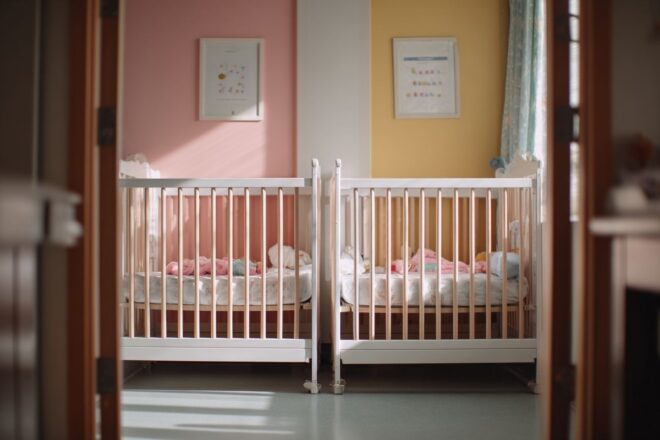
In northern Spain’s city of Logroño, a case that seems ripped from fiction has deeply affected two families. In 2002, a rare but devastating “human error” occurred at the local maternity ward: two newborn girls were accidentally swapped in their incubators and entrusted to the wrong parents. The mistake would remain hidden for two decades, surfacing only when modern DNA testing unearthed the truth, reshaping the lives of both young women.
The Human Cost Behind Hospital Error
The repercussions for those involved have been nothing short of life-altering. One woman, raised by her grandmother because her non-biological parents were severely disabled, grew up without traditional parental support. Her lawyer, José Sáez Morga, describes her experience as an “irreparable loss.” Fate dealt further blows when her biological mother passed away in 2018, forever closing the door on any chance for reunion.
Pursuing Justice Amid Irreplaceable Loss
When the truth finally emerged in 2021, both women took legal action, seeking recognition and some measure of restitution for lost years and fractured identities. Investigators quickly confirmed the accidental swap through records and genetic evidence. In a recent ruling, Spanish courts awarded one of the victims €975,000—substantially less than the €3 million she initially claimed as damages.
Several factors explain this decision:
- The hospital’s insurance is responsible for paying compensation.
- The second woman awaits her trial, seeking €3 million in damages plus €1.3 million for her adoptive parents.
Their counsel maintains that no financial sum can truly compensate for lost families or histories.
An Unfinished Legal Chapter and Broader Implications
With appeals pending and uncertainty lingering over future verdicts, what remains clear is the profound psychological impact endured by both women—two decades of missed familial bonds and identity confusion. Beyond personal tragedy, this case also reignites debate over institutional accountability in cases of grave medical mistakes, putting a spotlight on how hospitals must address and prevent such errors in the future.