TerraMind: Cutting-Edge Generative AI for Earth Observation
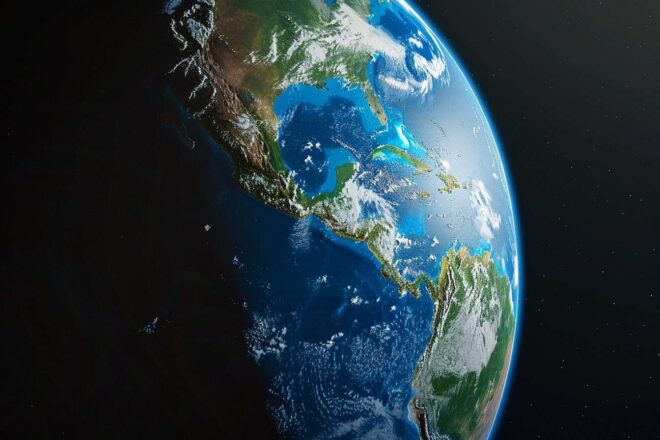
TerraMind, the most advanced generative AI solution, offers real-time, in-depth analysis of Earth observation data, enhancing global environmental understanding.
A Fresh Wave for Earth Observation
The field of Earth observation leaps forward with the introduction of TerraMind, a model developed through a collaboration between IBM and the European Space Agency (ESA). Now open-source on HuggingFace, this tool sets a new standard with its multimodal approach and ability to integrate data from nine distinct sources. Its goal? To enhance the accuracy and intuitiveness of analyzing Earth phenomena.
Designed for Efficiency and Versatility
TerraMind features an architecture built on symmetric transformers, optimized to process pixel, token, and sequence data efficiently. Unlike previous models that required significant resources for each modality, TerraMind stands out for its light computational demand—needing ten times less power than its predecessors. This technological choice not only allows for broader deployment but also significantly cuts energy use during inference processes.
The model is underpinned by an unprecedented corpus: nine million samples from every corner of the globe, encompassing a variety of biomes, land uses, and satellite observations. This diversity aims to minimize biases and ensure global applicability.
AI at the Service of Environmental Challenges
What sets TerraMind apart is its Thinking-in-Modalities (TiM) tuning capability, which autonomously generates relevant training data based on contextual needs—like correlating vegetation coverage with water shortages. This innovation has already enabled it to outperform twelve competing models in an independent ESA evaluation, achieving at least an 8% improvement in key tasks such as environmental classification and detection.
Key factors in this breakthrough include:
Seamless integration of contextual information, crucial for anticipating natural risks or water scarcities.
Unprecedented adaptability, providing researchers and businesses with a dynamic tool to explore the planet from various perspectives.
Prospects and International Collaboration
The development of TerraMind is part of a broader initiative of scientific innovation. By combining IBM’s technical prowess with the expertise of European and international teams—including KP Labs, Julich Supercomputing Center, and DLR—the project illustrates that merging science, data, and high-performance computing can “open new horizons in our understanding of the world.”
Nicolas Longepe from ESA remarks, “The collaboration among geospatial data specialists, AI experts, and HPC engineers is hopeful for addressing current planetary challenges.” Ultimately, this model exemplifies how collaborative science and technological innovations can converge to aid in the preservation of our planet.