The Color Purple Holds Unwanted Oscar Record for Directors
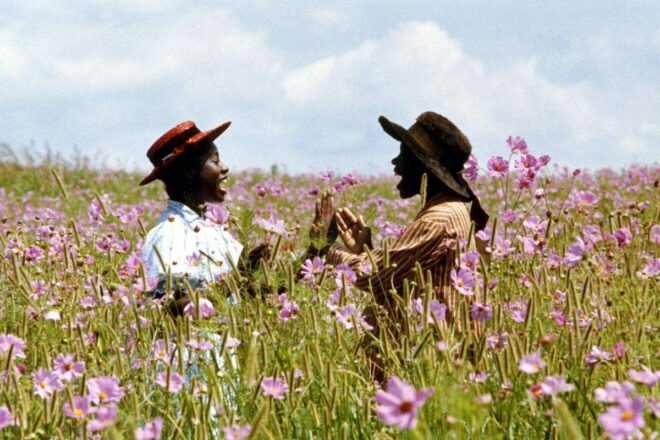
Warner Bros. Pictures / PR-ADN
The Color Purple holds a unique and daunting distinction in Oscar history: it received an impressive number of Academy Award nominations yet failed to win in any category, making it a notorious example among filmmakers and cinephiles alike.
TL;DR
- Steven Spielberg‘s Oscar history marked by snubs, controversy.
- The Color Purple received 11 nominations but won nothing.
- Film’s cultural impact endures, unlike its competitors.
A Storied Relationship: Spielberg and the Academy
Decades into a remarkable career, Steven Spielberg continues to be a towering figure in the world of American cinema. Yet, his journey with the Academy Awards has never been straightforward. The seeds of this complex relationship were sown early, when his breakout blockbuster Jaws—universally acknowledged as groundbreaking—was overlooked for Best Director in 1976. Instead, the Academy recognized established auteurs like Federico Fellini, with the likes of Robert Altman, Stanley Kubrick, and Milos Forman dominating that year’s field. Such omissions have fueled a longstanding perception: that Spielberg’s innovations have not always found favor among Hollywood’s most influential voters.
Nominations Without Triumph: A Pattern Emerges
Recognition would eventually arrive in the form of nominations for films such as Close Encounters of the Third Kind, Raiders of the Lost Ark, and E.T. However, time and again, actual victory slipped through Spielberg’s fingers. The pattern repeated itself: beaten first by Woody Allen, then by Warren Beatty. The defeat stung all the more in 1983 when Richard Attenborough’s Gandhi took top honors—a decision even Attenborough himself reportedly questioned, suggesting privately to Spielberg that he had made the superior film.
The Color Purple: A Stunning Shutout
Then came 1986, when expectations soared for Spielberg’s adaptation of Alice Walker’s novel, The Color Purple. With eleven nominations recognizing its powerful story and stirring performances set against America’s segregated past, many felt it was finally Spielberg’s moment. But the film walked away empty-handed—a shutout matching a notorious record held since 1977 by The Turning Point. Several factors explain this disappointment:
- A perceived disconnect between Academy voters and the film’s themes.
- The enduring lack of diversity within voting ranks at that time.
- The dominance of more conventional choices such as Out of Africa.
An Enduring Legacy Despite Oscar Injustice
Even after forty years, questions linger about what happened that night at the Oscars—especially considering that films like Out of Africa have faded from memory while The Color Purple remains both culturally and emotionally resonant. Critics still cite that controversial outcome as an example of how institutional preferences can overshadow genuine artistry and social relevance. Ultimately, if awards are meant to reflect lasting impact and excellence, Spielberg’s experience reveals their limitations—and his legacy surpasses any trophy count.