The Lorraine Pie: An Overlooked Gem Among Regional Specialties
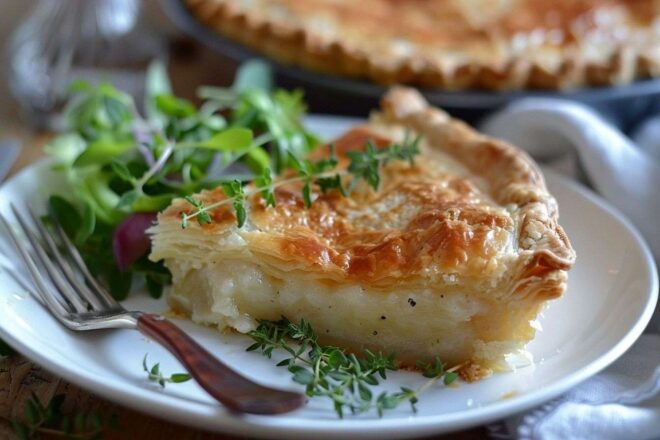
Often overshadowed by other French culinary classics, the tourte lorraine remains a lesser-known regional dish. This savory pie, hailing from Lorraine, showcases local ingredients and traditions but is still unfamiliar to many outside its home region.
Tl;dr
- Tourte lorraine rivals quiche as a regional classic.
- Distinct textures, marinated meats define the authentic recipe.
- Simple enjoyment and tradition meet on the family table.
The Lorraine Pie: A Regional Icon Revisited
When discussions turn to the iconic quiche lorraine, tempers can flare over matters of authenticity. Yet, quietly, another dish has been waiting in the wings for its moment of recognition: the tourte lorraine. For many in the region, this savoury pie—less famed internationally than its celebrated cousin—remains a cherished staple, each household claiming its own unique touch.
A Tapestry of Traditions and Flavours
Admittedly, like many regional classics, interpretations of this dish are both numerous and passionately defended. What sets the tourte lorraine apart is its irresistible interplay of textures: a crisp base made from pâte brisée and a flaky lid of puff pastry. Unlike quiche’s firmer filling, this pie offers a lighter ensemble, often starring at Sunday family lunches or festive gatherings.
It’s worth pausing for a moment: should one cling to tradition or embrace creativity? Purists staunchly advocate for strict adherence to the original formula; however, time has seen new influences make their way into kitchens across Lorraine. The resulting debates only enrich its story.
The Key Elements for an Authentic Pie
For those eager to prepare an authentic version at home, several fundamentals must not be overlooked:
- Pâte brisée forms the bottom layer; puff pastry seals the top.
- A mix of diced (never minced) pork shoulder and veal—300g each—is essential.
- An overnight marinade in dry white wine with chopped garlic, shallots, and onion brings out depth of flavour.
After marinating—ideally for up to two nights—the meat is drained and layered atop the dough. The second pastry sheet is placed carefully above, edges firmly pressed together. Brushing with beaten egg mixed with water lends that sought-after golden finish before baking: first at 200°C for half an hour, then reducing heat to 180°C for another twenty-five minutes.
Shortly before removing from the oven, a creamy mixture—egg blended with crème fraîche—is poured through a small opening (« cheminée »), ensuring that signature melt-in-the-mouth consistency so prized by locals.
Savouring Simplicity with Heart
Ultimately, serving the tourte lorraine, warm alongside fresh green salad, underscores what defines French home cooking at its finest: respect for tradition balanced with everyday comfort. There’s no need for elaborate presentation here; rather, it’s about honest ingredients from local farms and generous portions shared among friends and family.
This humble yet festive pie stands as a reminder that true gastronomic treasures sometimes lie just beyond the spotlight—quietly nourishing both body and memory.