The Man with the Golden Gun: Unique James Bond Movie Explained
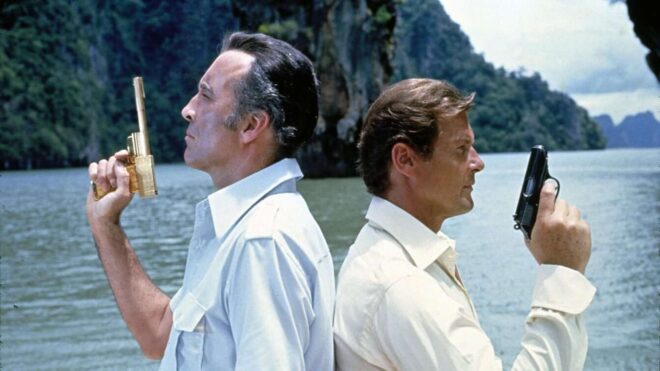
EON Productions / PR-ADN
The ninth installment in the James Bond franchise, The Man with the Golden Gun, stands out for its unconventional plot and memorable villain, offering audiences a bold departure from previous films in the iconic British spy series.
TL;DR
- The Golden Gun’s third nipple: a quirky Bond signature.
- Roger Moore’s second Bond film broke box office records.
- Literary origins add playful depth to the odd detail.
An Unconventional Twist in the Bond Universe
Few cinematic franchises embody a blend of sophistication, peril, and escapism quite like the adventures of James Bond. Yet among its enduring legacy, certain installments dare to take liberties that challenge expectations. When L’Homme au pistolet d’or—better known as The Man with the Golden Gun—graced screens over five decades ago, it was more than just another espionage thriller. Starring Roger Moore in his sophomore outing as 007, this ninth chapter quickly captured audiences’ imaginations, raking in over $21 million at the U.S. box office—an amount now equivalent to nearly $130 million.
A Villain’s Signature Quirk
Rather than opening with the familiar bravado of Britain’s finest agent, the film immediately subverts tradition by inviting viewers into the lair of its antagonist. There, on a sun-drenched beach, we first meet Francisco Scaramanga, played with chilling elegance by Christopher Lee. Alongside his assistant, Nick Nack (Hervé Villechaize), Scaramanga reveals a most unusual calling card: a conspicuous third nipple, or as Bond himself later refers to it—a “superfluous papilla.” This odd detail swiftly becomes an essential identifier for both villain and plot alike.
Clever Disguise or Comic Interlude?
To outmaneuver his adversary in bustling Bangkok, Bond devises a creative plan: he dons a fake nipple in hopes of impersonating Scaramanga and misleading a local gangster. The ingenuity is undeniable—but so too is its comic potential. The scheme falters when the prosthetic proves less convincing than intended and Scaramanga himself lurks close by, turning the tables on Britain’s top spy. Several factors explain why this narrative choice stands out:
- It injects rare humor into a typically high-stakes pursuit.
- The physical quirk bridges page and screen adaptation.
- It momentarily humanizes Bond through his own missteps.
A Literary Nod with Limited Impact
So was this anatomical oddity anything more than window dressing? The plot advances with little reliance on this idiosyncratic feature; ultimately, it contributes more to atmosphere than action. As one character jokes, some see such anomalies as omens of invincibility or seductive prowess—a tongue-in-cheek exaggeration disproved by Scaramanga’s eventual fate. Its true origin lies in the pages penned by Ian Fleming, whose penchant for eccentric details remains legendary among aficionados.
By weaving together humor, suspense, and literary homage, The Man with the Golden Gun demonstrates how even small quirks can leave an indelible mark within pop culture’s most enduring saga.