Top 9 Serious Health Risks from Air Pollution Explained
ADN
Air pollution poses a significant threat to public health, contributing to a range of serious conditions. Among its most severe consequences are increased risks of cancer, heart attacks, and other critical illnesses affecting millions worldwide.
TL;DR
- Air pollution harms lungs, heart, and brain health.
- Children and pregnant women are especially vulnerable.
- Risks extend to metabolism, immunity, and mental well-being.
Beyond the Obvious: Air Pollution’s Far-Reaching Health Effects
While headlines about air pollution often focus on respiratory problems in congested urban centers, research increasingly points to a more complex reality—one where invisible contaminants threaten multiple organ systems and populations worldwide. From megacities blanketed in smog to rural regions touched by wildfires or industrial emissions, no one is entirely shielded from these risks.
Lungs—and Much More—at Stake
For years, the conversation around polluted air centered on diseases like asthma and chronic bronchitis. However, data collected by institutions such as the National Institute of Environmental Health Sciences has forced a reconsideration. Exposure to fine particles and chemical substances in the air does not simply irritate airways; it quietly undermines the heart and vascular system too, manifesting in hypertension, increased stroke risk, and various coronary conditions. Even the brain appears at risk: long-term studies have linked dirty air with cognitive decline, memory loss, and higher chances of developing dementia.
Vulnerable Populations: Children and Pregnant Women
Certain groups bear a disproportionate share of the burden. Several factors explain this heightened vulnerability:
- Children: Their still-developing lungs and immune systems make them particularly susceptible to harm from airborne toxins.
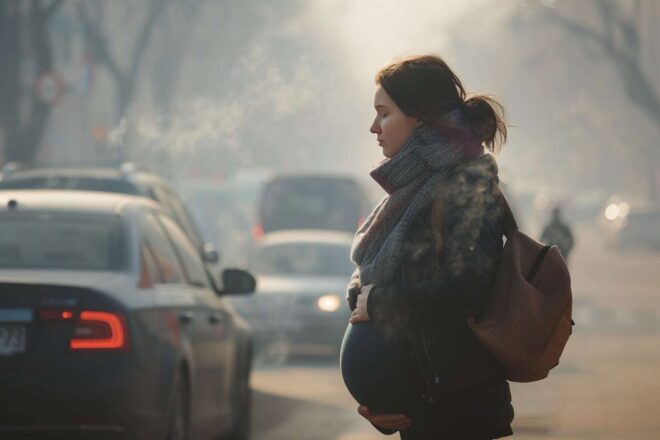
- Pregnant women: Pollutants can cross the placental barrier, potentially affecting fetal growth or triggering premature labor.
- Elderly individuals: Age-related frailty compounds the health risks posed by sustained exposure.
In these populations, even low levels of contamination can interfere with development or aggravate existing health challenges.
The Unseen Toll: Metabolic Disruption and Mental Health
To frame air pollution merely as a pulmonary threat is to miss a significant part of the story. Persistent exposure impacts hormone regulation—including thyroid function—and increases susceptibility to metabolic disorders such as diabetes and obesity. Immune defenses weaken under constant assault from pollutants, paving the way for infections that might otherwise be shrugged off. Certain chemical compounds found in polluted environments have also been associated with greater risks of lung, skin, or urinary cancers.
Less visible but equally concerning are effects on mental health: anxiety, depression, even accelerated skin aging. As researchers dig deeper into these connections, it becomes clear that cleaner air is not simply a matter of comfort—it is fundamental to safeguarding public health on every front.