Top Cardiologist Shares Best Way to Accurately Measure Blood Pressure
ADN
A leading cardiologist has shared expert advice on the most accurate way to measure blood pressure. This guidance aims to help individuals monitor their cardiovascular health more reliably and avoid common mistakes that can lead to misleading readings.
TL;DR
- Accurate blood pressure readings are essential for heart health.
- Proper technique and preparation ensure reliable measurements.
- Home monitoring helps detect hidden hypertension risks.
The Crucial Role of Blood Pressure Monitoring
For anyone concerned about their cardiovascular health, keeping a close eye on blood pressure remains fundamental. Frequently overlooked, high blood pressure—or hypertension—progresses silently, straining the heart and heightening the risk of serious events such as heart attacks. Regular at-home checks offer the chance to catch warning signs early, but only if measurements are taken correctly; inaccurate technique can either cause unnecessary worry or miss opportunities for timely treatment.
Mastering Technique: The Key to Reliable Results
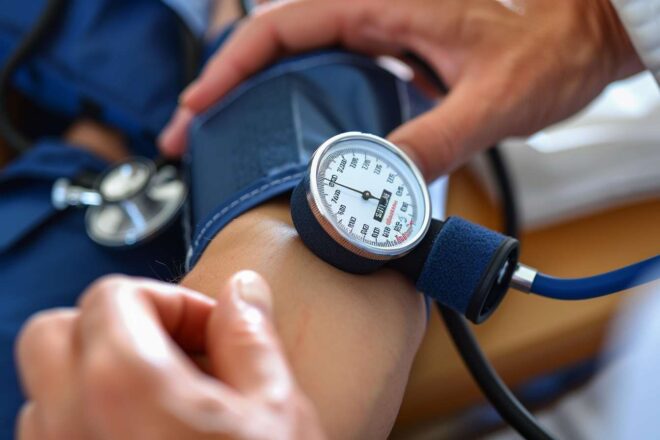
Specialists like Dr Jeremy London, a noted cardiovascular surgeon, stress the value of using an upper-arm cuff monitor—known for its precision. Placement is critical: the cuff should be fastened to the bare upper arm, just one or two centimeters above the elbow crease. Yet, measurement accuracy depends not only on equipment but also on patient preparation. Several factors explain this requirement:
- Avoid caffeine, physical activity, and a full bladder for 30 minutes beforehand;
- Sit quietly for five to ten minutes before measuring;
- Maintain good posture: back straight against the chair, both feet flat on the floor, legs uncrossed;
- Support your arm at heart level with your palm facing upward.
To further enhance reliability, it’s advisable to take two measurements a minute apart.
Understanding Readings—and When to Take Action
Blood pressure values appear in millimeters of mercury (mmHg), with two numbers: systolic (upper) and diastolic (lower). A reading below 120/80 mmHg is considered normal. Persistent results above 130/80 mmHg suggest that consulting a healthcare provider is wise; any reading beyond 180/120 mmHg signals an urgent need for medical attention.
Tackling Hidden Hypertension at Home
The so-called White Coat Syndrome, when patients’ blood pressure rises only in clinical settings, complicates diagnosis. Home self-monitoring gives a more accurate snapshot of actual health status, helping reveal hidden hypertension. Lifestyle changes championed by Dr London can make a lasting difference: reducing salt intake—especially from processed foods—incorporating brisk daily walks of about 30 minutes, managing weight, limiting alcohol, and quitting tobacco altogether.
Ultimately, regular self-measurement paired with healthy habits offers the most effective strategy to safeguard your heart—and your future well-being.