Top Lifestyle Factors Behind Most Preventable Cancers, Experts Say
ADN
Experts report that most preventable cancers can be traced to just two lifestyle habits. Understanding and addressing these common risk factors could play a crucial role in significantly reducing the overall incidence of cancer worldwide.
TL;DR
- Over one-third of cancers are preventable, says WHO.
- Tobacco and alcohol remain major global risk factors.
- Prevention requires tailored, collective action worldwide.
Preventable Cancers: A Global Challenge
A landmark analysis by the World Health Organization (WHO) has shed new light on the global fight against cancer, underscoring the immense potential for prevention. The study, which reviewed data from 2022, finds that more than a third of newly diagnosed cases—out of an estimated 19 million—could have been avoided by addressing certain modifiable risk factors.
The Heavy Toll of Tobacco and Alcohol
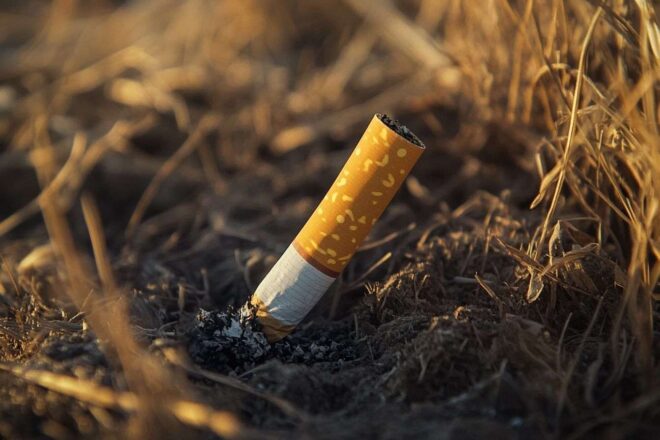
Diving into the data, tobacco emerges as the chief culprit among avoidable causes. Smoking alone accounted for a staggering 15% of all cancer cases globally in 2022, with an even higher proportion among men—23% of their diagnoses traced back to this habit. Not far behind, excessive alcohol use was linked to over 700,000 new cases that year. Additionally, infectious agents played a significant role; around one in ten cancers worldwide were attributed to infections such as the human papillomavirus (HPV), which is closely linked to cervical cancer.
Environmental and Regional Inequities
The role of environmental factors is far from negligible. In regions like East Asia, air pollution contributed to nearly 15% of lung cancer cases among women. In North Africa and West Asia, air quality issues were implicated in about one in five male diagnoses. There are also glaring disparities when it comes to cancers associated with hygiene or socioeconomic conditions: stomach cancers remain prevalent where sanitation is poor and tobacco use or infectious diseases are widespread.
Paving the Way for Prevention
Several factors explain why many cancers could be prevented:
- Cessation of smoking habits
- Reduction in alcohol consumption
- Access to HPV vaccination and improved hygiene standards
According to Isabelle Soerjomataram, a leading epidemiologist at the WHO, targeting these modifiable risks presents “one of the most powerful opportunities” for lessening the world’s cancer burden. Yet meaningful change depends not only on medical interventions but also on behavioral shifts and policy engagement across societies.
It’s clear, as emphasized by André Ilbawi, an expert in cancer control at the organization, that prevention strategies must be adapted regionally and demographically so every community can take concrete steps forward. The call is unmistakable: tackling cancer’s preventable causes will require both individual commitment and coordinated international action—a challenge that simply cannot wait.