Trump Reverses Chinese Tariff Decision
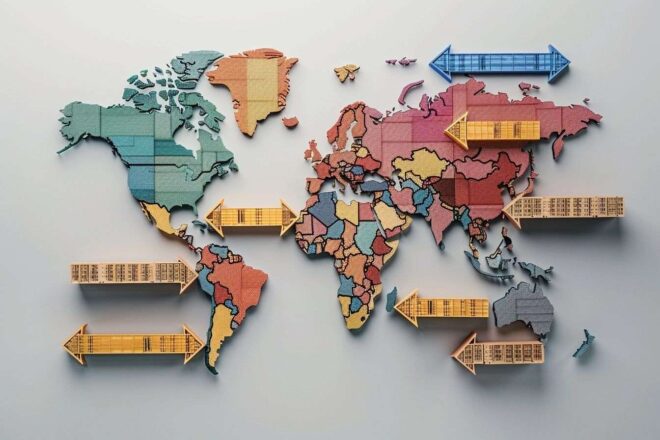
Discover the factors that influenced Donald Trump to reconsider the tariffs imposed on China, highlighting a significant shift in his policy approach.
A Glimmer of Hope for Global Markets
Last Tuesday, global markets received a breath of fresh air following a surprising announcement from U.S. President Donald Trump.
In a stunning policy reversal, President Trump pledged a “substantial” reduction in tariffs with China, easing the fears of global markets that had been rattled by his previously aggressive and unpredictable policies.
A Potential De-escalation of Tensions
The prospect of easing tensions between Beijing and Washington immediately boosted Asian stock markets. From Tokyo to Hong Kong, markets surged on Wednesday, and the dollar strengthened.
During a ceremony at the White House, Trump admitted that the 145% tariffs he had imposed on Beijing were “very high” and would be “substantially reduced.”
The Threat of a Trade War
In early April, Donald Trump shook global markets by implementing punitive tariffs on all U.S. trading partners, especially targeting Europe and Asia.
A week later, tariffs were reduced to 10% for everyone except China, the world’s leading trading nation, where punitive additional tariffs remained at a prohibitive 145%.
An Uncertain Situation
In response, Beijing imposed 125% tariffs on goods from the United States. However, there has been no confirmation of talks between the two powers from Beijing, leaving the situation still uncertain despite Trump’s conciliatory remarks.