Trump Vows Iran Regime Change and Predicts Imminent Peace
ADN
Donald Trump has pledged to pursue a regime change in Iran, framing the move as essential for regional stability. He also claimed that peace in the region could be achieved soon, signaling a bold stance on Middle Eastern policy.
TL;DR
- US-Iran tensions escalate after regime change claims.
- Iran’s leadership in turmoil following Khamenei’s reported death.
- Oil transit resumes but peace prospects remain uncertain.
Political Vacuum in Tehran Fuels Uncertainty
In the wake of a dramatic escalation in tensions across the Middle East, the future of Iran‘s leadership has become shrouded in mystery. The sudden death of Supreme Leader Ali Khamenei—the result of a targeted attack—has thrown the nation’s political apparatus into disarray. While his son, Mojtaba Khamenei, had been expected to succeed him, he has yet to appear publicly, communicating solely through terse official messages. This opaque situation has prompted Donald Trump, President of the United States, to question the younger Khamenei’s status and speculate about an emerging “third regime” now holding sway in Tehran.
Washington Signals Tough Stance on Iran
Amidst this uncertainty, attention has turned sharply toward the strategic Strait of Hormuz. President Trump’s recent remarks aboard Air Force One further complicated matters, as he floated the prospect of a potential “regime change” in Iran—a move he attributed to joint US-Israeli airstrikes. Such statements have rippled through diplomatic circles, intensifying speculation over Washington’s intentions and regional ambitions.
Oil Flows Resume Amid Market Anxiety
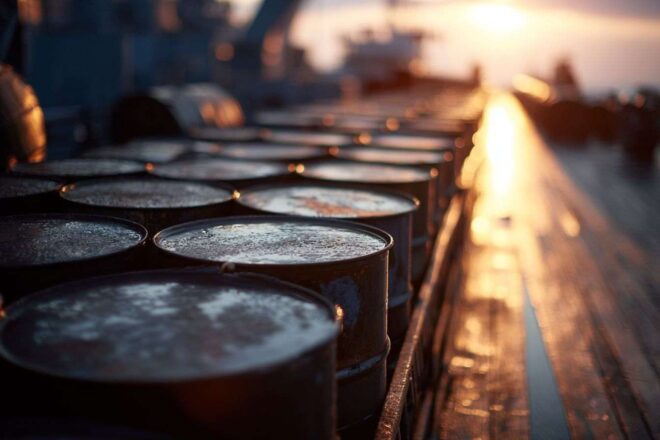
While power struggles dominate headlines, economic realities loom large. In a surprising development, sources indicate that Iran’s new authorities have permitted twenty oil tankers to navigate through the previously-blockaded Strait of Hormuz—a vital corridor handling nearly 20% of global petroleum shipments. For context, this passage had been effectively shut since hostilities erupted, severely impacting energy markets.
Several factors explain this decision:
- Mounting international pressure to ease disruptions in global oil supply;
- A possible gesture towards de-escalation by Tehran’s interim rulers;
- An attempt to stabilize skyrocketing oil prices affecting global economies.
Markets responded with cautious optimism to Trump’s assertion that “20 boats of oil will cross Hormuz in coming days,” though price volatility persists.
Outlook for Peace Remains Clouded
Despite the deployment of thousands of additional US troops to the region and ongoing uncertainties surrounding military objectives, President Trump insists that negotiations with Iran remain within reach. “I’m almost certain we’ll strike a deal,” he told reporters recently—a note of confidence belied by rising concerns within American policy circles about potential entanglement in another protracted conflict.
As events continue to unfold and both sides weigh their next moves, it remains unclear whether these tentative gestures will pave the way for lasting stability—or simply mark another uneasy pause in a longstanding crisis.