TV Shows Saving Lives with Accurate CPR Depictions
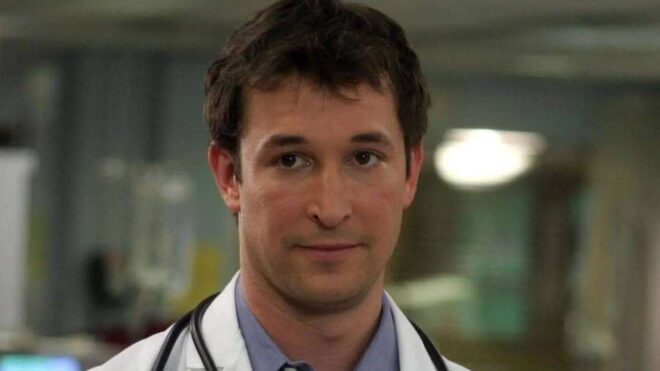
Urgences
Television dramas that accurately depict resuscitation techniques are proving to be more than just entertainment. By showcasing realistic emergency procedures, these series can educate viewers and contribute to life-saving actions in real-world situations.
TL;DR
- TV shows distort real CPR practices and outcomes.
- Misinformation and stereotypes persist in medical dramas.
- Experts call for accurate portrayals to improve public safety.
Distorted Reality: How Television Shapes Public Perception of CPR
The small screen’s influence reaches far beyond entertainment—especially when it comes to emergency medicine. Over the years, viewers of popular American medical dramas have been exposed to a portrayal of cardiopulmonary resuscitation (CPR) that often diverges significantly from what happens in actual emergencies. This disconnect is now attracting renewed attention from researchers and healthcare professionals.
The Inaccurate World of On-Screen Resuscitation
A recent investigation by a team at University of Pittsburgh underscores just how different fictional CPR looks compared to its real-world counterpart. The researchers analyzed 169 episodes of U.S. television shows aired since the endorsement of “hands-only CPR” in 2008. Their findings are striking: while less than 40% of real out-of-hospital cardiac arrest victims receive bystander intervention, fictional patients are given CPR over 58% of the time. Moreover, only about one-third of TV depictions correctly showcase the recommended hands-only technique for untrained witnesses.
Worryingly, many outdated actions persist on-screen:
- Mouth-to-mouth resuscitation is still performed in nearly half the scenes examined.
- Pulse-checking—no longer recommended for lay rescuers—appears in 43% of cases.
These details might seem trivial, but their cumulative effect can be quite significant.
Stereotypes and Unrealistic Scenarios Persist
The study also reveals broader representational issues. Fictional cardiac arrests mostly occur in public spaces and involve much younger individuals than typically seen in reality—over half are under forty on TV, while the true average age is closer to sixty-two. Additionally, there is a notable overrepresentation of white male victims and rescuers, which mirrors—and potentially amplifies—existing disparities reflected in official statistics.
The Double-Edged Impact on Audiences
Why does this matter? Because audiences absorb these images deeply. During training sessions at Pittsburgh schools and universities, participants frequently cite plotlines from series such as Grey’s Anatomy or Stranger Things, asking whether they should check for a pulse or give rescue breaths. These recurring queries highlight just how much fiction shapes public understanding—for better or worse.
Admittedly, some viewers have reportedly saved lives after imitating techniques learned from television drama, illustrating fiction’s potential as a force for good. However, experts stress that misleading portrayals risk fostering dangerous misconceptions and unwarranted optimism about success rates.
As new official guidelines for CPR are anticipated in 2025, advocates urge Hollywood writers and producers to align their scripts with current medical standards. By doing so, fiction could become not just gripping drama but also a genuine tool for public education and safety—a prospect that both excites and challenges those dedicated to saving lives off-screen.