U.S. Seeks International Egg Supplies Amid Shortage
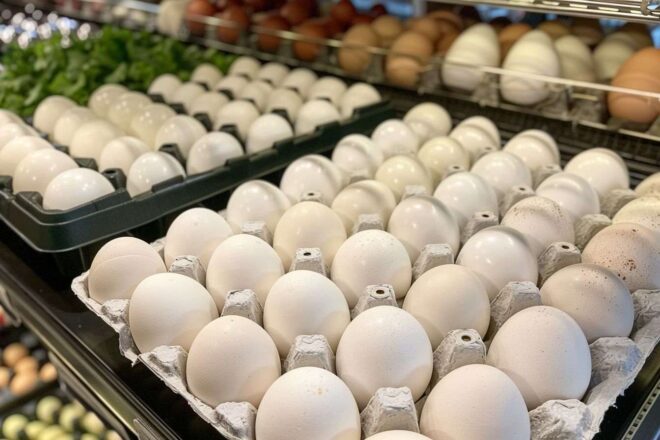
Amid an unprecedented shortage, why are the United States looking abroad for eggs? Explore the reasons behind this unusual quest!
Avian Flu: The American Egg Dilemma
The clash between political intent and practical realities is currently being felt in the United States as it strives for import independence.
The country is compelled to rely on other nations to make up for its egg shortage, a direct result of the avian flu ravaging its farms. The inflation in egg prices is an immediate fallout from this crisis.
Millions of Hens Euthanized
To curb the spread of the virus, over 30 million laying hens have been euthanized since the year began. This has led to empty shelves and soaring prices. Rebuilding a laying hen population is a lengthy process, taking about 18 weeks from hatch to when a hen starts laying eggs.
Eggs from Turkey and South Korea
The White House is pleased with a recent drop in wholesale egg prices, credited to a lull in avian flu and reduced demand.
However, “for now, we will be importing eggs from Turkey and South Korea,” stated Brooke Rollins, Agriculture Secretary. The situation remains concerning as Easter, a high egg consumption period, approaches.
The Contradiction of Trade Policies
Washington’s push to secure new supplies coincides with a period of significant trade tension. Since taking office, President Donald Trump has implemented new tariffs to boost domestic production.
Yet, last year, the main egg suppliers to the U.S. were Canada, the UK, China, and Turkey. The stark contradiction between political ambitions and the realities of the international market is evident.