U.S. Tariffs Imposed: Mexico Recovers, Canada Finds Calm
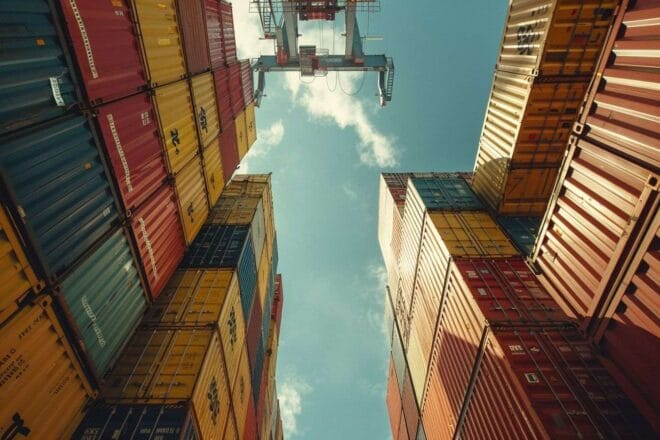
Learn how Mexico managed an unexpected respite in its fierce battle with Trump while Canada regained some tranquility.
Tariff Suspension: A Breath of Fresh Air for Mexico
In response to corporate discontent and market uncertainties, U.S. President Donald Trump announced on Thursday the suspension of the 25% tariffs on most Mexican goods until April 2. This move comes amid escalating trade tensions with both Canada and Mexico.
Trump shared his decision on Truth Social, following a discussion with Mexican President Claudia Sheinbaum. He stated that the tariffs will not apply to products that meet the specifications of the US-Mexico-Canada Agreement (USMCA). “This agreement runs until April 2,” he added, at which point new “reciprocal” tariffs may be introduced.
Decision Welcomed by Mexico and Canada
Mexican President Claudia Sheinbaum warmly welcomed the decision from her American counterpart, praising the collaboration for its “unprecedented results.” The two governments will continue their joint efforts, especially on migration and security issues.
Simultaneously, Canada has also suspended most of its retaliatory customs measures. This followed Trump’s move, which temporarily exempts many Canadian products from tariffs. The Canadian government, which had previously imposed tariffs on Canadian $30 billion worth of U.S. goods, decided to forgo a second phase of retaliation.
Economic Impacts of Tariffs
The uncertainties surrounding these tariffs are starting to affect the U.S. economy. Confidence indicators are at an all-time low, and some analysts fear stagflation, a combination of low growth and high inflation. In January, the U.S. trade deficit soared to its highest level since 1992, driven by massive gold purchases and anticipations related to Trump’s tariff policies.
The International Monetary Fund (IMF) has voiced concerns about the impact of these tariffs. According to the institution, if sustained, they could significantly affect the economies of Canada and Mexico.