Unexplained Neck, Muscle, or Joint Pain: Thyroid Problems Explained
ADN
Unexplained pain in the neck, muscles, or joints can puzzle both patients and doctors. Recent attention has turned to the thyroid gland, whose dysfunction may contribute to these symptoms far more often than previously recognized.
TL;DR
- Thyroid issues can cause subtle, overlooked pain symptoms.
- Physical discomfort may signal hormonal imbalance or inflammation.
- Monitoring symptoms and medical checks are essential for diagnosis.
The Thyroid: When Subtle Pain Speaks Volumes
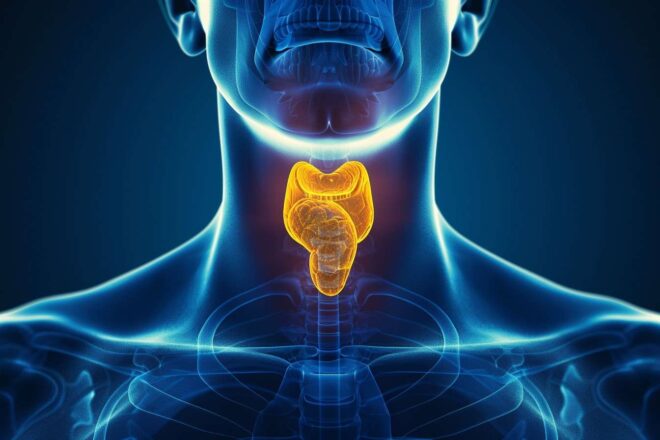
Although fatigue and changes in weight are commonly associated with problems of the thyroid gland, there is a broad spectrum of lesser-known symptoms that frequently escape notice—even by those living with the condition. Among these, persistent muscle aches, joint stiffness, and discomfort in the neck can offer early clues of a deeper hormonal imbalance. Located at the base of the neck, this small, butterfly-shaped organ orchestrates far more than just our energy levels or mood.
Pain as an Unexpected Indicator
Few people realize how variations in thyroid hormone levels—whether too high (hyperthyroidism) or too low (hypothyroidism)—may trigger physical pain in unusual ways. Notably, thyroid inflammation may result in localized swelling or tenderness around the neck. Moreover, it’s not uncommon for patients to report widespread muscle weakness, unexplained cramps, or even diffuse soreness throughout the body. Several factors explain this diversity of discomfort:
- Inflamed gland: leads to neck swelling and sensitivity.
- Muscle and joint impact: manifests as weakness or stiffness.
- Pain radiation: occasionally spreads to jaw, ears, or chest.
Surprisingly, these kinds of physical pains are often overlooked as possible signs of thyroid dysfunction—an oversight that can delay proper diagnosis.
Recognizing Typical and Atypical Signs
Medical research into so-called “myopathic hypothyroidism” points out that up to 80% of affected individuals mention generalized aches and loss of strength, particularly in areas like the thighs, shoulders, and back of the neck. Sometimes a tender neck signals thyroiditis; on other occasions, an enlarged gland (goiter) creates pressure that radiates toward the jaw. Joint complaints can even resemble arthritis, while some patients experience discomfort across the shoulders or chest—locations rarely linked with thyroid disorders at first glance.
Taking Action: Tracking Symptoms and Seeking Advice
For anyone experiencing these puzzling pains without clear explanation, keeping a detailed record of symptoms may help identify patterns. Noticing other warning signs such as weight changes, heat or cold intolerance, or swelling at the base of the neck should prompt further attention. If uncertainties persist or discomfort intensifies over time, consulting a healthcare professional is strongly recommended. Only specific blood tests can accurately assess any underlying hormonal disturbance. Swift recognition and management not only alleviate pain but also help safeguard long-term mobility and well-being.