UPI Digital Payments Faces New Cost Responsibilities in India
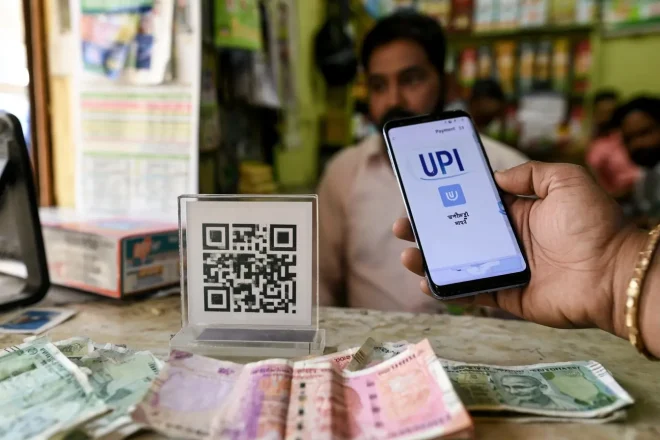
UPI, the massive digital payments platform transforming transactions across India, now faces mounting pressure to cover its own operational expenses. As its user base and transaction volumes soar, questions emerge over how it will sustain itself financially.
TL;DR
- India considers fees for select UPI merchants.
- Change could reshape instant payment landscape nationwide.
- Potential impact on small business and digital economy.
Major Shift Ahead for India’s Digital Payments
For years, the rise of the Unified Payments Interface, better known as UPI, has helped propel India’s digital revolution. UPI’s appeal has hinged largely on its speed and—crucially—zero-cost transactions for both consumers and most businesses. However, change now appears imminent.
New Fees Proposed for Some Merchants
According to recent developments, the government is reportedly considering introducing transaction fees for select merchants using UPI. Until now, India’s digital payment backbone allowed millions of users to transfer money instantly, without the friction of additional costs. The prospect of charges—even if limited to certain categories—marks a significant policy shift.
Several factors explain this decision:
- The need to ensure sustainable infrastructure funding as usage soars.
- A push to balance interests between banks, fintechs, and retailers.
- The desire to encourage innovation and competition within the payments ecosystem.
Pivotal Moment for Small Businesses
The possibility of merchant fees will likely be met with mixed reactions among India’s vast network of small retailers. For many local shopkeepers and vendors, UPI has become an essential tool, streamlining operations and providing access to a wider customer base. Any new cost—however minor—could alter how these businesses interact with digital payments or even prompt a rethink about passing costs onto customers.
What This Means for India’s Digital Economy
If implemented, this change could have broad ramifications across the country’s fast-growing cashless economy. Larger companies may adapt smoothly, but smaller enterprises might face challenges in maintaining their margins. Furthermore, such a move raises questions about the future growth trajectory of real-time payments in one of the world’s largest emerging markets.
As policy discussions continue, all eyes remain on how authorities will balance progress with inclusivity—seeking to keep India at the forefront of financial innovation while ensuring that no group is left behind in this new phase of digital transformation.