Waymo’s Autonomous Cars: An Insurance Dream
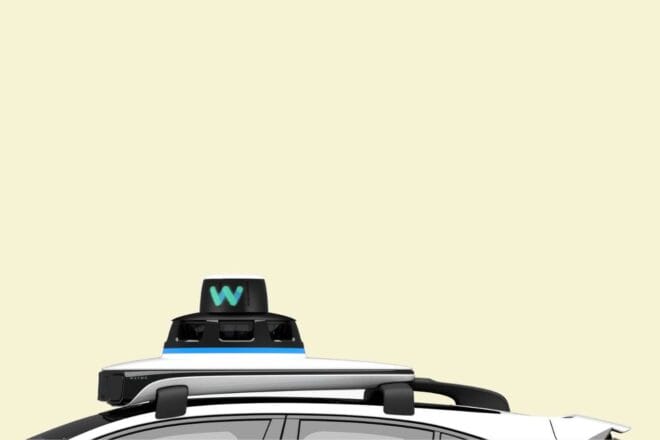
It seems that Waymo's autonomous vehicles are a dream come true for insurance companies, offering unmatched safety and reliability prospects.
Harnessing Technology for Road Safety
A study conducted through an unpaid partnership between Waymo and Swiss Re suggests that Waymo’s autonomous vehicle fleet could significantly reduce road accidents. Data indicates that Waymo vehicles result in fewer insurance claims than those driven by humans.
In-Depth Data Analysis
Swiss Re analyzed claims from over 25.3 million miles driven by Waymo’s autonomous cars, comparing these to human driving data which includes over “500,000 claims and more than 200 billion miles of driving.” The findings show that Waymo cars have a better safety record than human-operated vehicles.
Impressive Results
The study reveals that vehicles operated by Waymo Driver had 88% fewer insurance claims for property damage and 92% fewer claims for bodily injuries. Even when compared only to newer vehicles equipped with advanced safety technologies, Waymo still stands out, showing a reduction of 86% in property damage claims and 90% in bodily injury claims.
Challenges Ahead
However, there are “two glaring issues”. First, Waymo currently operates only in urban areas, which do see the majority of accidents in the U.S., but rural areas have a higher rate of accidents (especially fatal ones) relative to their population. Additionally, Waymo has not been operational for very long, making it challenging to accurately gauge the system’s effectiveness over an extended real-world testing period.
Lastly, despite promising data for Waymo Driver, the results are not flawless. Waymo had to recall its vehicles for the second time this summer after one of its robotaxis collided with a telephone pole in Phoenix. Consequently, the National Highway Traffic Safety Administration has initiated an investigation into Waymo, identifying 24 incidents involving accidents or traffic violations.