Which Type of Rice Water Works Best for Your Plants? Exploring the Most Effective Options
Gardeners seeking natural ways to nourish their plants are increasingly turning to rice water, but not all types offer the same benefits. Understanding the various effective options can help you choose the most suitable rice water for your garden’s needs.
TL;DR
- Rice water enriches plants as a natural fertilizer.
- Three easy preparation methods suit different gardening needs.
- Overuse can harm soil and attract pests.
An Unexpected Ally: Rice Water in the Garden
For generations, gardeners have searched for efficient, affordable ways to boost their plants’ vitality without relying on synthetic additives. Surprisingly, one solution may already be in your kitchen. The often-discarded water from rinsing or cooking rice has gained a quiet reputation among eco-conscious horticulturists as a remarkably effective, all-natural fertilizer.
The logic is simple yet compelling: why let nutrients go to waste? As gardeners become increasingly mindful of sustainability, turning to such household byproducts seems like a logical—perhaps overdue—evolution in gardening habits.
From Kitchen Sink to Flowerbed: Three Approaches
Not all rice water is created equal, and the method you choose depends on both your plants’ needs and your own patience. For those who prize simplicity, the rinsing technique delivers results almost instantly. By soaking uncooked rice in three times its volume of water for about half an hour and straining off the cloudy liquid, you’ll obtain a ready-to-use tonic.
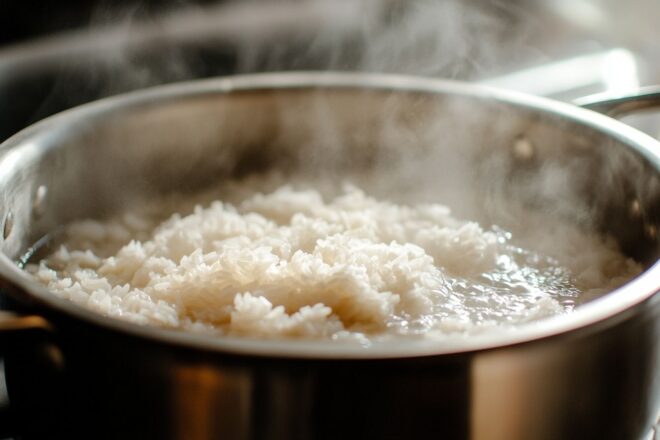
Cooking rice with extra water creates another version. Here’s how it works: simmer half a cup of rice with roughly two cups of water. As soon as the liquid turns milky white, decant and cool it. This variant retains more nutrients extracted during heating.
For enthusiasts seeking maximum potency, there’s fermented rice water. Combine a few spoonfuls of cooked rice with distilled water in a jar; after resting for one to two weeks in darkness—watch closely for any dark mold, which is a sign to start over—you’ll have a concentrated solution. Remember, this must be diluted (one part fermented liquid to two parts clear water) before introducing it to your garden.
Mastering Dosage: Benefits and Cautions
While the potential gains are significant, moderation remains crucial. Over-application can invite trouble by:
- Encouraging unwanted mold due to excess starch;
- Toughening garden soils or potting mixes;
- Luring pests attracted by organic residues.
As a rule of thumb, undiluted rinsing or cooking waters work well for outdoor beds but should be diluted for indoor or potted plants. Fermented rice water demands even greater caution—dilution is essential.
A Timely Boost During Growth Spurts
The true value of this age-old trick emerges during peak vegetative growth, when demand for key nutrients—phosphorus, potassium, and nitrogen—is at its highest. Observant gardeners will monitor their plants’ responses closely, adjusting frequency and dosage as needed.
In sum, while rice water may seem an unremarkable leftover at first glance, it offers a sustainable edge for those willing to watch, learn and adapt—a modest but meaningful nod to both tradition and modern environmental wisdom.