Why Brooklyn Nine-Nine Was Cancelled: Main Reasons Explained
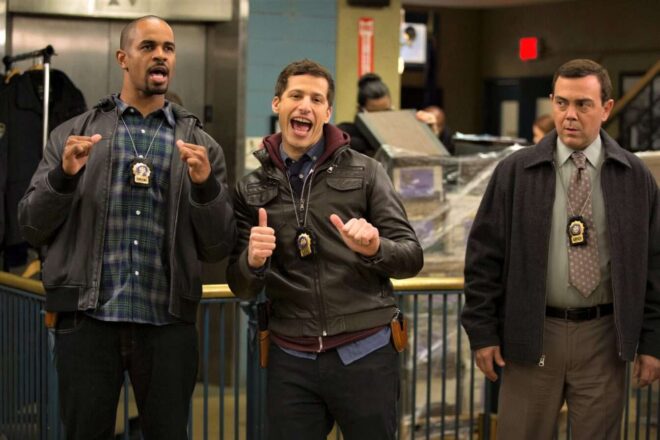
NBC / PR-ADN
The acclaimed comedy series Brooklyn Nine-Nine has come to a close, leaving fans reflecting on the factors that led to its conclusion. Examining industry trends, creative choices, and audience reactions helps illuminate why this beloved show ended.
TL;DR
- Brooklyn Nine-Nine struggled to adapt post-2020 protests.
- Comedy clashed with scrutiny of policing and social issues.
- The show ended as its optimistic vision felt outdated.
A Groundbreaking Sitcom Under Pressure
The cultural landscape shifted sharply in 2020, and few television series felt the impact quite like Brooklyn Nine-Nine. What began in 2013 as a refreshing, offbeat comedy set within a fictional New York police precinct—buoyed by the comedic chemistry of Andy Samberg and the deadpan brilliance of Andre Braugher—soon found itself grappling with questions its format could no longer dodge. The show’s warmth and wit had always been its hallmark, yet it was precisely this endearing approach that became increasingly difficult to reconcile with public debate over the realities of American policing.
A Progressive Vision—With Limits
Throughout its run, Brooklyn Nine-Nine distinguished itself by tackling diversity head-on. The show not only featured a notably inclusive cast but also explored issues such as systemic racism and homophobia within law enforcement. Stories like those of Captain Holt confronting institutional prejudice or Sergeant Terry’s experience with racial profiling offered moments of rare candor for a mainstream sitcom. Still, despite these progressive threads, all narratives were filtered through the internal lens of the police station. The beloved detectives remained “good cops,” implicitly set apart from the flaws of their institution.
The Erosion of the ‘Good Cop’ Myth
The killing of George Floyd and the subsequent wave of racial justice protests forced American entertainment to reevaluate its portrayals of law enforcement. Suddenly, stories where a handful of honorable officers redeemed an entire system rang hollow. Even though Brooklyn Nine-Nine acknowledged policing’s darker aspects, its core optimism became untenable. Showrunner Dan Goor, recognizing this disconnect, made bold changes: four completed episodes were scrapped and new scripts written to reflect urgent societal concerns. As actor Terry Crews observed, entertainment without accountability was no longer an option.
An Ending Defined by Uncertainty
This period of self-examination shaped the show’s eighth and final season. Writers took meaningful risks—Rosa Diaz leaving the force, Jake Peralta questioning his own methods—but there was an unmistakable sense that the formula had run its course. Several factors explain this decision:
- The comedic tone no longer meshed with current events.
- The NYPD setting restricted narrative freedom.
- The audience’s appetite for cop comedies had waned.
For many viewers, imagining these characters outside their badges proved difficult—and perhaps that’s why saying goodbye felt inevitable. In facing reality head-on, even the most beloved sitcom sometimes has to admit when its moment has passed.