Why Kids Are Drawn to Darth Vader: George Lucas Explains
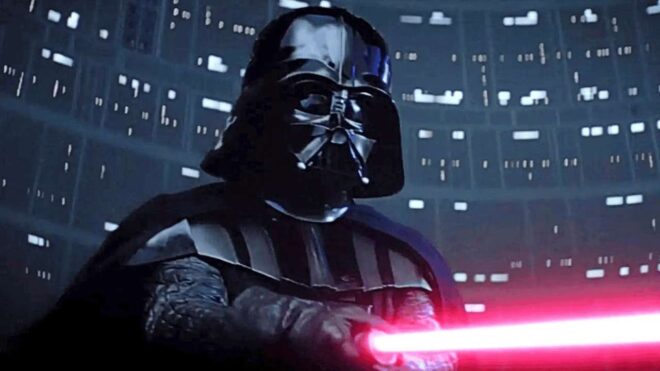
Lucasfilm / PR-ADN
George Lucas has offered new insights into why children are particularly drawn to the character of Darth Vader. The legendary filmmaker shared a compelling theory that explores the enduring appeal of Star Wars’ iconic villain among younger audiences.
TL;DR
- Dark Vader’s power both fascinates and warns audiences.
- The saga reveals his tragic, human journey to darkness.
- Pop culture idolizes his strength despite its cautionary message.
The Myth of the Villain: Dark Vader’s Enduring Fascination
Few characters have left such an indelible mark on cinematic history as Dark Vader. From his ominous first appearance in the original Star Wars trilogy, this masked figure became more than just a villain—he emerged as a symbol of irresistible power and the deep anxieties it provokes. His looming presence is not simply an obstacle for heroes but embodies temptations that, for decades, have captivated audiences across generations.
Power and Its Irresistible Allure
Consider why even young viewers are drawn to the commanding figure of Dark Vader. As George Lucas, the creator of the franchise, once explained in conversation with journalist Bill Moyers, children often gravitate toward figures of immense strength: “Children love power because children are the powerless. And so their fantasies all center on having power.” In this sense, Darth Vader becomes a fantasy for those longing to escape helplessness. The imposing Sith Lord stands alongside superheroes and idealized authority figures—archetypes embodying qualities many wish to possess.
Beneath the Mask: A Cautionary Tale Unfolds
Yet, peeling back the layers reveals something far more complex. Across both prequels and original films, the story traces Anakin Skywalker’s tragic descent—a journey from enslaved child to promising Jedi before succumbing to the dark side. This transformation echoes timeless myths in which a hunger for total control consumes one’s very self. The cost of such pursuit? A hollow existence hidden behind an iconic mask. Through wise counsel from characters like Yoda—reminding us that “the dark side is quicker, easier, more seductive”—the saga quietly signals that unchecked ambition ultimately destroys its seeker.
A Paradoxical Idol in Pop Culture
So why does admiration persist—even intensify—for a character meant as a warning? Several factors explain this phenomenon:
- Cinematic artistry turns moments of terror into awe-inspiring spectacle.
- The ambiguous portrayal blurs lines between condemnation and celebration.
- Nostalgia cements his status as a pop culture icon regardless of narrative intent.
Spectacular scenes—from lightsaber duels to chilling confrontations—highlight not only his menace but also his magnetic allure. In fact, some sequences (such as in Rogue One) appear to glorify his might even as they unsettle viewers.
Ultimately, although Luke Skywalker’s arc stands in direct opposition to Vader’s path, fascination with dark strength endures. Perhaps growing up means learning not just what to admire—but also what dangers lie behind such compelling masks.