Why You Should Always Save Apple Peels When Cooking
ADN
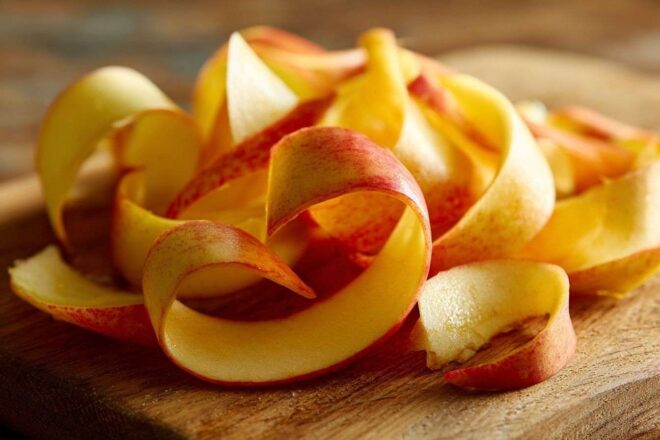
Many home cooks routinely discard apple peels, unaware of their potential. This clever kitchen tip reveals how these often-overlooked scraps can be put to good use, encouraging a more resourceful and sustainable approach to everyday cooking.
TL;DR
- Apple peels can be reused to make delicious jelly.
- Homemade recipes help cut food waste creatively.
- Other uses include vinegar, juice, and crunchy chips.
Giving New Life to Apple Peels
The allure of cooking at home is undeniable—there’s a certain pride in creating something from scratch. Yet, even the most enthusiastic home chefs must grapple with one persistent reality: kitchen scraps. After preparing a comforting apple tart or a simple yogurt cake, heaps of peels and cores are usually tossed aside, destined for the compost heap or, worse still, the trash.
A Clever Anti-Waste Solution
However, a clever tip spotlighted by Le Média Food is challenging this habit. The idea is refreshingly simple: use those leftover apple scraps to craft a vibrant, homemade jelly. In essence, what was once dismissed as mere waste can now enjoy a starring role in your pantry.
The Step-by-Step Transformation
Turning apple remnants into a luscious spread involves only a handful of steps. Begin by gathering about 250 grams of peels and cores—the typical yield from baking with apples. Place these in a large saucepan and pour in 75 centiliters of water. Bring everything to a boil, then allow it all to simmer gently for half an hour.
Once infused, strain the mixture thoroughly to achieve a clear liquid. Here’s where precision matters: weigh the strained liquid and add 50 grams of sugar per 100 grams of juice (for example, 200 grams of sugar if you have 400 grams of juice). Squeeze in the juice of one lemon for brightness; some cooks might opt to add a split vanilla pod for depth. Stir gently and let the concoction cook on low heat for another forty minutes. Pour the resulting jelly—still hot—into sterilized jars, seal tightly, and invert each pot. A day in the refrigerator allows it to set perfectly.
Culinary Uses Beyond Jelly
This sweet jelly shines when spread on brioche or pancakes, and can even enhance store-bought pound cake with its homemade charm. For those keen on embracing the full “zero-waste” mindset, several factors explain why nothing needs discarding:
- Create tangy cider vinegar using leftover peels.
- Squeeze original juices from apple cores.
- Bake crunchy chips from remaining skins.
It’s never been simpler—or more rewarding—to transform everyday kitchen refuse into culinary treasures. These inventive methods prove that with just a bit of effort, sustainability can taste every bit as sweet as tradition.