World First: Stem Cell Transplant Restores Vision for Multiple People
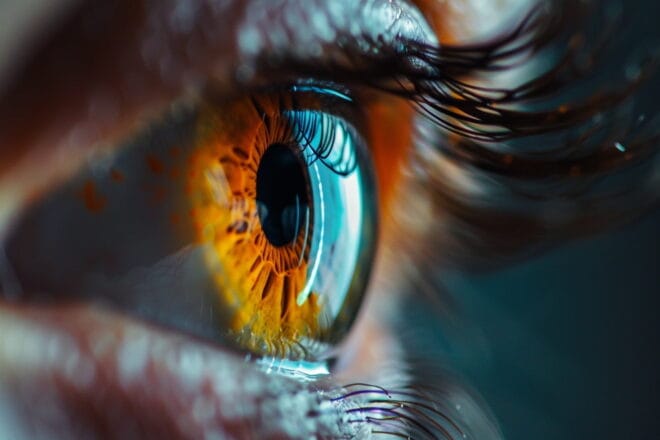
In a global first, individuals have regained their sight following a stem cell transplant.
A Breakthrough in Ophthalmology with Stem Cells
A remarkable medical achievement has been made by a team of Japanese researchers. They have significantly improved the blurred vision of three individuals with severe corneal damage. This breakthrough, stemming from a radical stem cell transplant, marks a significant advancement in stem cell research.
A Significant Advancement for Stem Cell Research
Four participants suffering from a condition that causes scar tissue buildup on the cornea, known as limbal stem cell deficiency (LSCD), were involved in this study. The cornea is often likened to a “clear window” at the front of the eye, with the limbus serving as its frame.
This crucial frame also houses a rich supply of stem cells, ready to replace worn-out corneal units and maintain the clarity of the “window” as we age.
A New Approach to Treating Limbal Stem Cell Deficiency
Without these limbal stem cells, progressive vision loss is inevitable. Currently, individuals with LSCD in one eye can undergo surgery to remove the scar tissue and replace it with a healthy slice of cornea from the other eye. However, if limbal stem cell loss affects both eyes, a donor transplant is necessary.
This is where the potential of induced pluripotent stem cells (iPSCs) comes into play. These all-powerful units are converted from any human body cell. Once reprogrammed to an embryonic-like state, they can propagate indefinitely, with the ability to transform into any type of adult human cell, including those of the cornea.
Promising Clinical Trials
Researchers from Osaka University in Japan have taken a step further by using iPSCs, derived from healthy human blood cells, to restore vision. Although these small trials are highly promising, such procedures remain highly experimental and potentially risky.
More research is needed to assess their safety and efficacy.