World War Z Author Surprising Reaction to Movie Adaptation
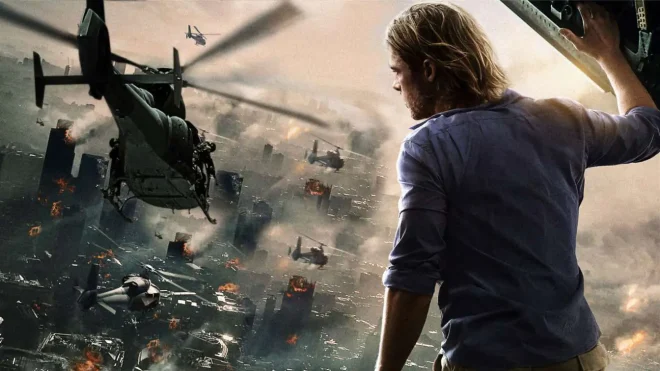
Max Brooks, the author behind World War Z, might have been expected to resent Hollywood’s adaptation of his novel. Surprisingly, however, he has expressed an unexpected acceptance of the film’s creative choices and final result.
TL;DR
- Film adaptation differs significantly from original novel.
- Author Max Brooks did not reject Brad Pitt’s movie.
- Brooks even praised some elements in the film.
A Notable Departure from the Source Material
When World War Z hit the big screen, fans familiar with the original novel by Max Brooks were quick to notice just how much the cinematic version diverged from its literary counterpart. Far from a page-to-screen translation, director and star Brad Pitt’s adaptation took considerable creative liberties, crafting a blockbuster that barely resembled Brooks’s intricate narrative structure.
The Author’s Unexpected Reaction
Interestingly, while such radical reinterpretations often provoke criticism or outright disapproval from authors, this was not the case with Max Brooks. Rather than dismissing the film, Brooks approached it with an open mind. He chose to focus on what worked, highlighting certain inventive choices instead of fixating on departures from his vision.
Praise Amidst Differences
Brooks did not shy away from acknowledging the substantial gaps between his book and what audiences saw on screen. Yet, he surprised many by singling out aspects of the movie that he genuinely admired. Several factors explain this positive attitude:
- A willingness to embrace new interpretations of his work;
- An appreciation for the film’s inventive scenes and global scale;
- The opportunity to see his core concept reach a wider audience.
A Broader Perspective on Adaptation
It is tempting to assume that significant changes in adaptation always provoke friction. However, Brooks’s response serves as a reminder that creative works can evolve across mediums without losing their essence. His ability to recognize value in a project so far removed from his own underscores an understanding that sometimes, cultural impact outweighs strict fidelity. For those invested in literature and cinema alike, this perspective remains both refreshing and rare—proving that even when stories shift form, they can still earn the respect of their creators.