Xreal Unveils Project Aura, Marking the Second Official Launch of an Android XR Headset
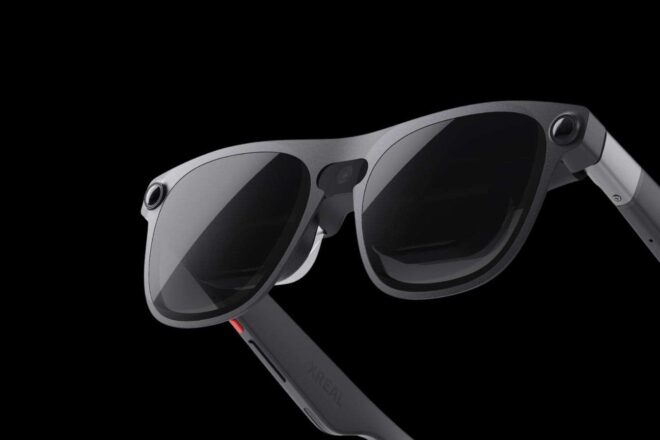
Xreal has officially released Project Aura, marking it as the second Android-based XR headset to hit the market. This milestone underscores the rapid growth of extended reality devices running on Google’s mobile operating system.
Tl;dr
- Google and Xreal unveil Project Aura smart glasses.
- Project Aura features AI and Android XR platform.
- More details expected at AWE 2025 in June.
Industry Shifts: Google’s Renewed XR Ambitions
For years, the journey of Google in the field of extended reality (XR) has been a bumpy ride. Many still recall the experimental launches—sometimes lackluster—of Cardboard, Daydream, and, perhaps most notably, the early iteration of the Google Glass. Yet, despite those stumbles, the Californian tech giant now seems convinced that the sector has matured enough to realize its full potential. This confidence was clear late last year, when a fresh offensive materialized: the announcement of an ambitious Android XR ecosystem. Here, Google signaled its intent to directly challenge rivals such as Meta Quest and the Apple Vision Pro. The first tangible result? A headset developed with Samsung, discreetly referred to as « Project Moohan ».
Xreal Partnership: Project Aura Unveiled
Now, during its annual Google I/O conference, Xreal, working closely with Google, introduced an entirely new chapter: Project Aura. Unlike bulky immersive headsets, this device takes the form of lightweight, transparent « tethered glasses ». Their unobtrusive design immediately sets them apart—a notable departure from traditional models. This marks the second official hardware release under the Android XR banner.
The Technology Behind Project Aura
Powered by a robust Qualcomm Snapdragon processor, Project Aura integrates the increasingly central role of Google’s proprietary artificial intelligence: Gemini AI. According to both companies, these glasses deliver cinematic experiences through two primary modes—transparent optical (OST) and virtual visualization (VST). However, it is important to point out that while these glasses come with their own computing capabilities, they still require connection to an external Android device.
Aimed squarely at developers, Project Aura offers several advantages:
- Migrate existing apps onto this new XR platform seamlessly.
- Create novel use cases leveraging advanced functionalities like motion tracking (6DoF) and gesture recognition—both features already familiar from previous products such as Air 2 Ultra.
A Glance Forward: What Lies Ahead?
As it stands, much about Project Aura remains under wraps—perhaps intentionally fueling anticipation. However, more comprehensive revelations are slated for next year’s global Augmented World Expo (AWE) in June 2025. Whether this signals a true turning point for XR after so many prior setbacks is still up for debate. The coming months should provide a clearer picture of whether this time will be different for both Xreal and Google.