Gareth Edwards Supports Using AI Technology in Filmmaking
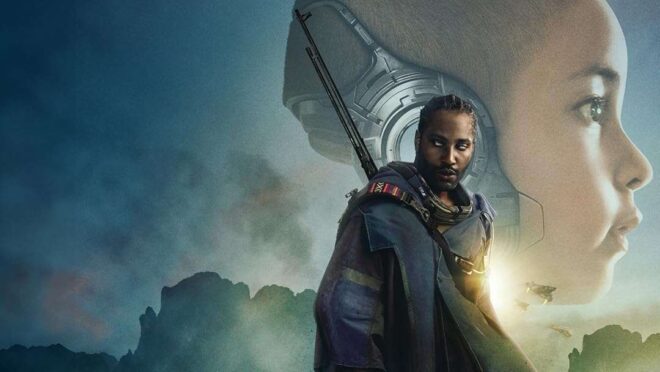
Regency Enterprises / PR-ADN
Gareth Edwards, a prominent filmmaker known for his innovative approach, has publicly advocated for the integration of artificial intelligence in the film industry, emphasizing its potential to transform cinematic storytelling and production processes.
TL;DR
- AI sparks intense debate in Hollywood post-strike.
- Director Gareth Edwards sees creative potential in AI tools.
- Industry divided: innovation versus job security concerns.
Hollywood’s Post-Strike Dilemma: Artificial Intelligence Takes Center Stage
In the wake of the recent SAG-AFTRA strike—which kept the film industry at a standstill for nearly four months—one issue has leapt to the forefront of discussions across Hollywood: the role of artificial intelligence. While a hard-won agreement has paused union action, insiders warn that debates over AI’s place in filmmaking are only just beginning.
The Creator’s Paradox: Gareth Edwards Embraces AI’s Promise
Against this contentious backdrop, British filmmaker Gareth Edwards, known for directing blockbusters like Rogue One: A Star Wars Story and more recently, The Creator, has surprised many by sharing a surprisingly optimistic view on the technology. In a conversation with Empire magazine, Edwards acknowledged widespread fear surrounding AI—described by many as an existential threat—but argued that its possibilities excite him nonetheless. “It could enable a young filmmaker to make a movie for just thousands that looks like it cost $200 million,” he mused, suggesting that an era of democratized creativity may be within reach.
What makes his stance especially intriguing is the irony at play: his latest film, The Creator, depicts an artificial intelligence triggering nuclear catastrophe in Los Angeles. Yet, its director now advocates for digital innovation, even joking it might be “the best time ever to become an amateur filmmaker… but perhaps not so much for rotoscopists!” The comment underscores lingering anxieties among those whose traditional roles may be rendered obsolete.
New Tech, New Divisions in Filmmaking
Several factors explain this heightened tension:
- The advent of potent new tools such as Sora from OpenAI
- The rise of entirely virtual creators like Tilly Norwood
- A fundamental rethinking of cinema’s economic and human landscape
This technological surge is viewed by some as a means to broaden artistic access and break down old barriers. For others in the community, however, it threatens established livelihoods and raises ethical questions about what defines authentic cinema. Is this technical progress or just another step toward precarity?
A Future Still Unwritten
As stakeholders across Hollywood wrestle with these questions, no clear consensus has emerged. The conversation oscillates between enthusiasm for innovation and deep-seated fear about job security—a debate likely to intensify as AI capabilities continue to evolve. At least for now, one thing is certain: artificial intelligence has irrevocably changed the plotline in Tinseltown.