The Outlaw Josey Wales: Timeless American Western Movie Classic
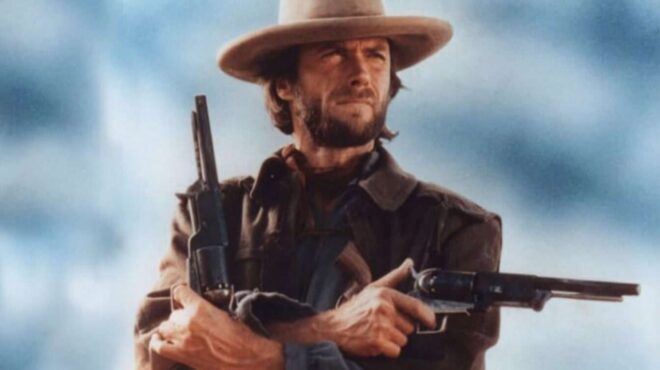
Warner Bros. Pictures / PR-ADN
Josey Wales remains a defining example of the American Western, celebrated for its enduring appeal and compelling portrayal of frontier justice. The film continues to resonate with audiences, highlighting timeless themes of survival and resilience in a turbulent era.
TL;DR
- Clint Eastwood redefined the western with Josey Wales.
- Tense production led to a bold, open-ended finale.
- The film’s influence endures in modern American cinema.
An Unconventional Western Reimagined by Eastwood
When the American western appeared to be fading from prominence in the mid-1970s, Clint Eastwood boldly resurrected the genre with his seminal work, Josey Wales. Adapting Asa Earl Carter’s novel, “The Rebel Outlaw: Josey Wales,” Eastwood stepped into both the lead role and the director’s chair, following a fraught production that saw him replace original director Philip Kaufman. This move proved pivotal, marking a turning point not only for Eastwood’s career but for the trajectory of the western itself.
A Story Rooted in Loss and Redemption
At its core, the film follows Missouri farmer Josey Wales, whose family is brutally murdered by Unionist soldiers under Captain Terrill. Driven by vengeance and shaped by war, Wales joins Confederate fighters before being forced onto the run as an outlaw. Along his journey across a fractured post-Civil War landscape, he encounters a makeshift group: a young Navajo woman (portrayed by Geraldine Keams), an elderly widow (Paula Trueman), and her granddaughter (Sondra Locke). Together, they form an unconventional family trying to survive amid violence and loss. The film’s narrative subtly explores themes of trauma and resilience—rare for westerns of its era.
Tensions Behind the Scenes: Crafting an Enduring Finale
Production on Josey Wales was marked by creative clashes. Notably, editor Ric Gentry later recalled a significant dispute about how the film should conclude. While some pushed for closure—explicitly showing Wales reunited with those he cared for—Eastwood insisted on ambiguity. In his view, audiences deserved more credit: “Imagination and participation bring a film to life. There’s no need to spell everything out,” he explained at the time. This decision resulted in the now-iconic image of Josey riding alone toward the horizon.
Several factors explain this directorial stance:
- The editor aimed to provide comfort with a clear reunion scene;
- Eastwood favored subtlety and trusted viewers’ maturity;
- The critical and commercial response validated this artistic risk.
A Lasting Cinematic Legacy
Decades after its release—and with box office returns topping $31 million against a modest $3.7 million budget—Josey Wales continues to resonate. The film solidified Eastwood’s reputation following successes like “Rawhide” and Sergio Leone’s iconic “Dollars Trilogy.” Although many consider “Unforgiven” his crowning achievement in the genre, Eastwood himself maintains a special connection to Josey Wales—a film that stands as testament to his creative convictions and willingness to challenge genre conventions within Hollywood.