Kevin Smith’s Dogma: Controversial Religious Satire Movie Explained
Lionsgate Films / PR-ADN
Kevin Smith’s film Dogma stands out as a bold cinematic work that confronted religious themes head-on, sparking significant controversy and debate. The movie challenged conventional ideas about faith and belief, making a lasting impact upon its release.
TL;DR
- Dogma sparked fierce controversy over its religious satire.
- Kevin Smith faced threats, protests, and public outrage.
- The film remains a clever reflection on faith and doubt.
An Unapologetic Satire That Shook America
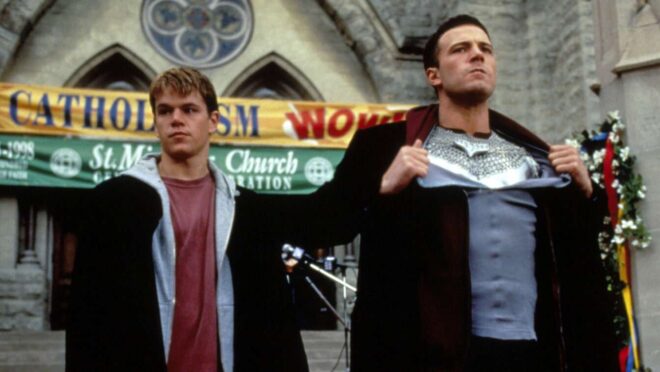
When Dogma premiered in 1999, few could have anticipated the storm it would unleash. Directed by Kevin Smith, already renowned for his irreverent takes on modern life, this comedy thrust two fallen angels—portrayed by Ben Affleck and Matt Damon—into a mission to re-enter heaven, threatening humanity’s existence in the process. The movie’s audacious premise, paired with a blend of sacrilegious humor (who could forget the giant excrement monster?), immediately provoked reactions across the religious spectrum.
A Backlash Beyond the Box Office
The outrage did not remain confined to critical reviews or heated debates. Conservative circles in America, especially members of organizations like the Catholic League, saw the film as an affront to core beliefs. Several factors explain this reaction:
- The unapologetic questioning of traditional religious dogmas
- The burlesque depiction of sacred figures and rituals
- A tone that mixed irony with genuine philosophical inquiry
Such was the intensity of the uproar that Smith found himself the recipient of approximately 400,000 hate letters and even three credible death threats. He later recounted one particularly chilling message that outlined in disturbing detail how the sender imagined carrying out an attack against him.
Protests and Public Demonstrations
As audiences flocked—or recoiled—from cinemas, organized pickets sprang up outside theaters and festivals nationwide. Protesters voiced outrage while demanding boycotts; nonetheless, these gestures seemed only to fuel the film’s reputation. In a memorable act of mischief, Smith attended an anti-Dogma demonstration incognito, blending among opponents with wry amusement as local news cameras failed to recognize him.
Years later, controversy continued to dog him: at the premiere of another work, “Red State,” members of the infamous Westboro Baptist Church appeared, underscoring how his willingness to probe sensitive themes has become part of his enduring legacy.
Beneath Outrage: A Nuanced Dialogue on Faith
Amidst all this furor lies a less discussed but essential facet—Dogma’s sincere engagement with questions of belief and uncertainty. Audiences who looked past the surface discovered not just provocative jokes but thoughtful meditations on spirituality and doubt. Anchored by performances such as Alan Rickman’s unforgettable turn as a weary messenger angel, the film is now widely recognized—even by some former critics—for its capacity to challenge without condemning.
For many viewers and former believers alike, what sets Dogma apart is its willingness to mix laughter with contemplation—a rare combination that continues to resonate long after tempers cooled.