Major Flooding in France: Impact on Affected Residents’ Mental Health
ADN
As France faces major floods, communities across affected regions are grappling not only with physical devastation but also with the psychological impact of these disasters. Experts warn that such events can trigger anxiety, stress, and long-term mental health challenges.
TL;DR
- February 2026 floods in France worsen mental health crisis.
- Elderly, children, and vulnerable groups face highest risk.
- Urgent need for tailored psychological support post-disaster.
Floods Expose a Mental Health Emergency
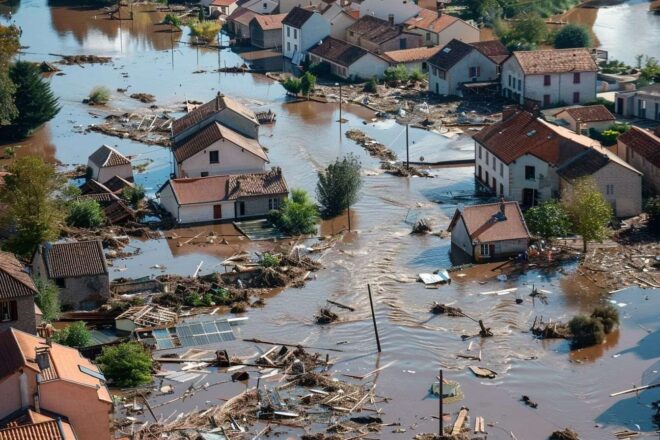
Unprecedented floods have swept across France this February 2026, upending daily life in many regions and triggering a silent crisis: the growing toll on mental health. While images of submerged streets and displaced families dominate the headlines, less visible—yet deeply felt—are the psychological wounds left behind. Recovery remains distant as weather forecasts predict little relief, prolonging uncertainty for those forced from their homes.
The Most Vulnerable Bear the Brunt
Certain groups find themselves especially exposed to the emotional fallout. A 2025 study published in Sécurité de l’eau underscores that older adults are particularly susceptible to depression, anxiety, and even post-traumatic stress disorder following such disasters. The issue extends well beyond the elderly; according to the European Observatory on Climate and Health, children, people with chronic illnesses or disabilities, and pregnant women also stand at increased risk during these catastrophic events.
Lasting Psychological Scars
Statistics highlight the scale of the problem: up to 75% of those affected by these floods experience some form of psychological distress—ranging from acute trauma to enduring depression. Lessons from past events remain relevant. After major flooding hit the Hautes-Pyrénées and Haute-Garonne in 2013, research by Santé publique France (SPF) revealed a strong correlation between prolonged material hardship and mental disorders. This trend continues today as survivors report heightened anxiety, insomnia, or growing dependence on medication. Strikingly, when water levels rise above one meter inside homes, individuals’ risk of developing depression or post-traumatic stress skyrockets—by more than tenfold.
Among the most common reactions observed:
- Acute or chronic psychological distress
- Anxiety disorders—phobias, obsessive-compulsive behaviors, panic attacks
- Increased reliance on antidepressants or other substances
The Imperative for Proactive Support
With climate change amplifying such natural disasters, experts emphasize swift identification of those at high psychological risk. The European Observatory on Climate and Health recommends targeted support to combat social isolation and promote recovery among victims. Although it remains challenging to fully measure long-term consequences, each extreme weather event only deepens existing vulnerabilities among many French citizens. As these crises multiply, so too does the urgency for robust mental health interventions alongside traditional disaster response efforts.