Apple Peels: Creative Ways to Reuse Them in Recipes
ADNADN
Apple peels, often discarded without a second thought, hold surprising culinary potential. Increasingly, home cooks and chefs alike are discovering creative ways to transform these leftovers into flavorful additions for both sweet and savory dishes.
TL;DR
- Homemade apple cider vinegar reduces food waste.
- Rich in antioxidants, aids digestion and immunity.
- Simple recipe offers savings and sustainability.
The Comeback of Homemade Apple Cider Vinegar
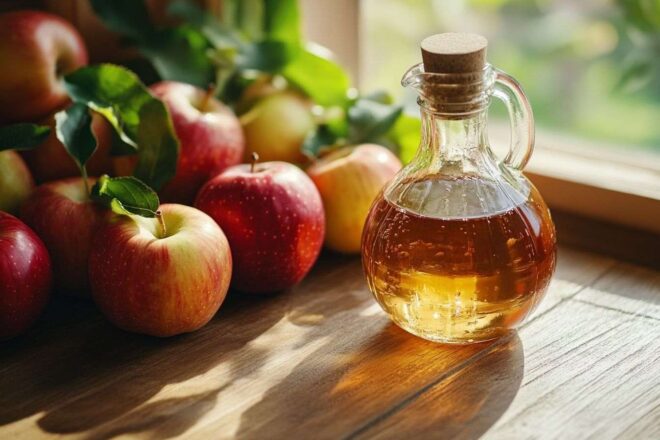
For many households grappling with the challenge of food waste, a centuries-old solution is quietly regaining favor. Instead of discarding or composting those leftover apple peels from the season’s last harvest, a growing number of home cooks—some inspired by chefs at institutions like Chefsquare—are transforming these scraps into a staple with both flavor and function: homemade apple cider vinegar. This not only breathes new life into kitchen leftovers but also elevates the notion of sustainability from buzzword to practice.
Scientifically Backed Health Benefits
The renewed interest isn’t merely about thrift; the nutritional profile of apple cider vinegar has long attracted praise from health professionals. Experts consistently cite its rich mix of antioxidants, amino acids, and vitamins, which collectively support digestion, help regulate blood sugar levels, and give the immune system a gentle boost. In a climate where people are increasingly attentive to both personal wellness and environmental impact, it’s little wonder this tangy elixir is back in the limelight.
A Simple Recipe for Self-Sufficiency
The process for creating this artisanal ingredient at home may surprise you with its simplicity. Several factors explain this renewed enthusiasm:
- The method uses only apple peels (preferably organic), filtered water, brown sugar, and a touch of dry yeast.
- The ingredients are combined in a jar, stirred briefly, then covered and set aside in a warm, dark place for two weeks—after which the peels are removed and fermentation continues for another fortnight.
- A final filtration yields a vibrant liquid that develops its full character with just a few more days of maturation.
Guidance from chefs such as those at Chefsquare emphasizes adding enough sugar to feed the beneficial bacteria—a small step that makes all the difference in fermentation.
Savings and Sustainability Amid Inflation
In today’s economic climate, where inflation stretches household budgets ever thinner, adopting such homemade practices provides tangible relief. Not only does crafting your own vinegar reduce dependency on store-bought alternatives—it extends the shelf life (over six months if stored away from light) while contributing meaningfully to waste reduction. For many, this small act embodies a dual commitment to autonomy and responsible consumption—a tradition updated for modern needs.