Best Ways to Prepare Tartiflette: Should You Precook Bacon?
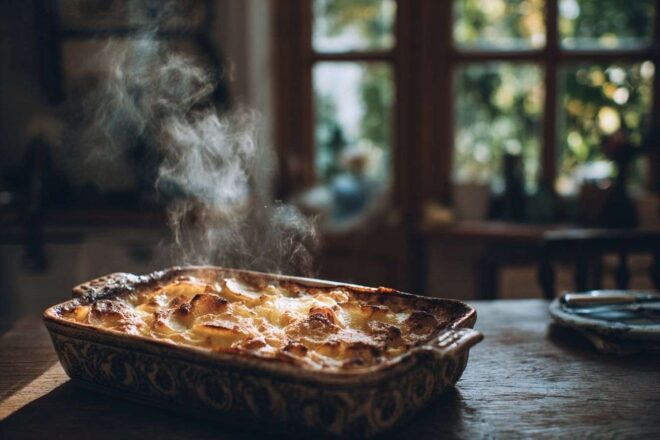
ADNADN
Debate is stirring among home cooks and chefs over the best way to prepare lardons for tartiflette. While some advocate pre-cooking the bacon, others insist on adding it raw, sparking discussion about which method yields superior flavor and texture.
TL;DR
- Lardons: raw or precooked changes tartiflette’s texture, flavor.
- Choice depends on potato and reblochon characteristics.
- Balance and personal taste ensure a successful tartiflette.
A Timeless Classic Under Scrutiny
Few winter dishes rival the comforting appeal of a well-prepared tartiflette. At its heart: creamy potatoes, a melting layer of reblochon, and—crucially—generous helpings of smoky lardons. However, one recurring debate has long divided even experienced home cooks: should these beloved pork strips be added raw, or browned in advance?
The Lardon Dilemma: Raw Versus Precooked
Let’s not gloss over the impact of this seemingly minor choice. Supporters of the “raw lardon” approach argue that the meat releases its salty juices directly into the potatoes as everything bakes together, infusing extra flavor and lending a moist texture to the cheese. Yet this method can backfire. When using very runny reblochon or moist potatoes, excess fat accumulates at the bottom of the dish, often yielding a heavy, sometimes soggy gratin.
On the other side stand those who advocate for briefly sautéing lardons before assembly. By rendering out some fat and adding a touch of crispness, this technique addresses several potential pitfalls. It also offers an opportunity to soften onions alongside the pork—a move that ensures even distribution of aroma throughout the tartiflette. The final result? A more controlled texture, less residual liquid, and a lighter mouthfeel.
Choosing According to Ingredients
Which path should you follow? Truthfully, success hinges on reading your ingredients. Several factors explain this decision:
- Very creamy reblochon: favor precooking lardons to cut excess fat.
- High-moisture potatoes: sautéing helps keep your gratin firm.
- Floury potatoes and firm cheese: raw lardons are less risky here.
The key lies in assessing moisture and fat content—a small act of culinary mindfulness that pays off with every forkful.
Taste—and Heart—Come First
In truth, no single rule can claim supremacy. Whether you lean towards tradition or prefer to fine-tune every detail for balance, a successful tartiflette always emerges from harmony between richness and personal preference. As one seasoned Savoyard chef recently put it, “The secret is putting heart into it—and never skimping on good reblochon.” For this iconic dish, perhaps that’s all anyone really needs to know.