Clint Eastwood’s Essential Rule for Every Film Set
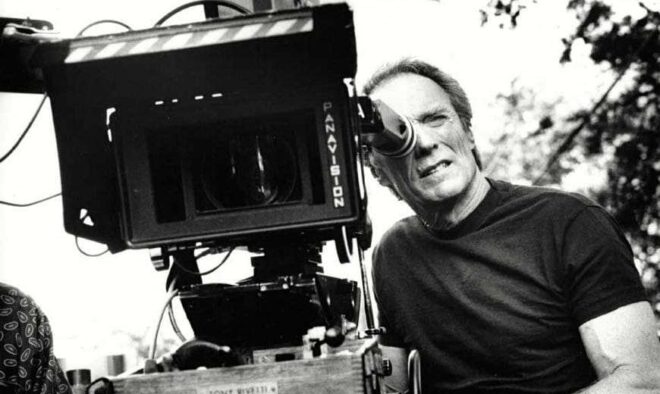
The Script Lab / PR-ADN
Clint Eastwood is renowned not only for his legendary film career but also for his insistence on a particular rule that governs every production he leads, shaping the work environment and creative process on all his film sets.
TL;DR
- Clint Eastwood favors suggestion over explicit exposition.
- He trusts viewers’ intelligence and imagination deeply.
- His minimalist style invites personal interpretation and emotion.
The Art of Suggestion: Clint Eastwood’s Distinctive Cinema
Minimalism as a Signature
Among contemporary filmmakers, few possess the restraint and authority so characteristic of Clint Eastwood. Known for his unembellished, direct approach, Eastwood has consistently championed the principle of “show, don’t tell.” This penchant for suggestion rather than explicit explanation shapes not only the atmosphere of his films but also their very rhythm. On set, he is famed for moving quickly—often allowing actors just a single take. While this can occasionally leave scenes feeling unfinished—as in moments from Gran Torino or the infamous artificial infant in American Sniper—the overarching intention remains clear: audiences are not meant to be spoon-fed.
Avoiding Excessive Exposition
This philosophy is hardly accidental. In a decades-old conversation with critics Richard Thompson and Tim Hunter, the double Oscar-winning director (for Unforgiven and Million Dollar Baby) did not mince words: “I dislike exposition scenes unless there’s a real reward.” Such a stance aligns him with other cinematic legends—John Ford, Frank Borzage, and Walter Hill, among others—who believe that flooding viewers with information slows pacing and stifles creativity.
The Audience Comes First
Underlying this artistic choice is a profound respect for viewers’ intelligence. Eastwood maintains, “I think spectators should participate in every shot. I give them just enough to follow the story, but never so much as to insult their intelligence.” This commitment reflects a conviction that cinema should engage audiences as active interpreters rather than passive recipients. Especially today, when platforms like TikTok encourage brief, repetitive content designed for distracted consumption, Eastwood’s approach stands out—even risks seeming anachronistic.
Several factors explain this persistent philosophy:
- A belief that images can evoke deeper emotions than words.
- A desire to maintain narrative momentum and mystery.
- An intent to empower audiences to draw their own conclusions.
The Enduring Appeal of Less-Is-More Filmmaking
Not all directors share this faith in minimalism; some, like Tony Scott, Adrian Lyne, or Michael Bay, are known to discover their films during editing through abundant coverage. Yet for those who reject unnecessary complexity in favor of clean direction and clarity of vision, Eastwood remains an enduring reference point. If his accelerated methods sometimes expose flaws, they ultimately reflect a rare willingness: trusting each viewer to complete the film with their own insight—and perhaps, in doing so, inviting them to truly feel rather than merely observe.