Common Puff Pastry Mistake to Avoid for Perfect Galette des Rois
ADN
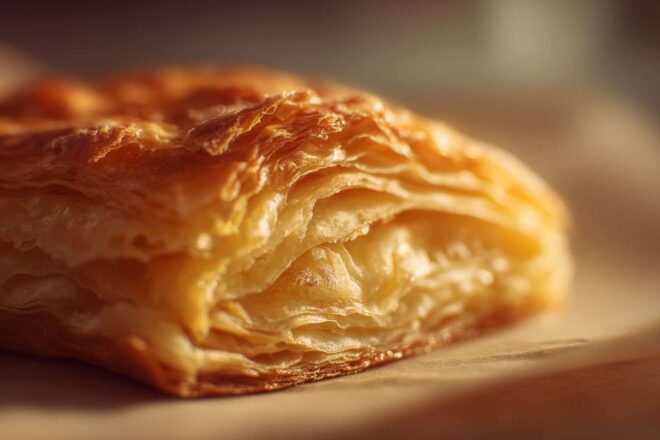
The traditional French galette des rois is beloved for its flaky puff pastry, but many home bakers struggle with crumbling results. Understanding the crucial mistake to avoid when handling puff pastry can make all the difference in achieving perfect texture.
TL;DR
- Proper hydration is key for flawless puff pastry.
- Temperature control during baking prevents dryness.
- Simple fixes restore moisture and texture after baking.
The Delicate Art Behind Perfect Puff Pastry
Slicing into a golden, crisp galette des rois should be a moment of celebration. Yet, for many home bakers—and even some professionals—this festive ritual can quickly turn to disappointment as the delicate layers shatter or crumble, leaving a trail of crumbs across the table. What causes this quintessential French dessert to break apart so easily? The answer often lies in the fragile balance required to master its main ingredient: puff pastry.
The Invisible Traps Before Baking
Many of the pitfalls that compromise a galette’s integrity occur long before it ever enters the oven. Several factors explain these common issues:
- Puff pastry that cracks under the rolling pin frequently signals insufficient hydration—too little water or eggs results in a dough that’s dry and unyielding.
- Attempting to roll out pastry straight from the refrigerator can spell disaster; cold butter makes the dough rigid and brittle, dramatically increasing breakage risk.
- An excessive dusting of flour on your work surface will dry out the dough’s surface, further promoting fracture.
To counteract these challenges, those preparing homemade puff pastry should add ice-cold water gradually, then allow ample rest in the fridge. For store-bought varieties, simply letting it sit at room temperature for a few minutes softens the texture and makes rolling to the optimal 3-4 mm thickness much easier.
Baking: When Timing and Temperature Matter Most
Even after a careful preparation, problems can arise during or after baking. Overbaking or setting your oven too high draws out moisture too rapidly, leaving a galette dry and crumbly instead of airy and tender. Professionals often favor a two-step approach: begin at around 200°C before lowering to 180°C midway through, ensuring an evenly cooked, layered result. It’s worth noting that some commercial “pure butter” pastries contain high fat content but lack sufficient water, which exacerbates dryness.
Rescue Strategies for a Fragile Galette
Is your galette still prone to breaking? Several tricks can help restore softness and shine. Brushing freshly baked pastry with a light sugar-water syrup adds both gloss and moisture. If reheating is necessary, do so gently—about 150-160°C works best—perhaps serving alongside crème anglaise or fruit compote to compensate for any lingering dryness.
In the end, achieving that show-stopping galette comes down to patience, observation, and meticulous technique—a testament to why this classic remains both loved and respected in kitchens everywhere.