Does Sparkling Water Damage Tooth Enamel? What You Need to Know
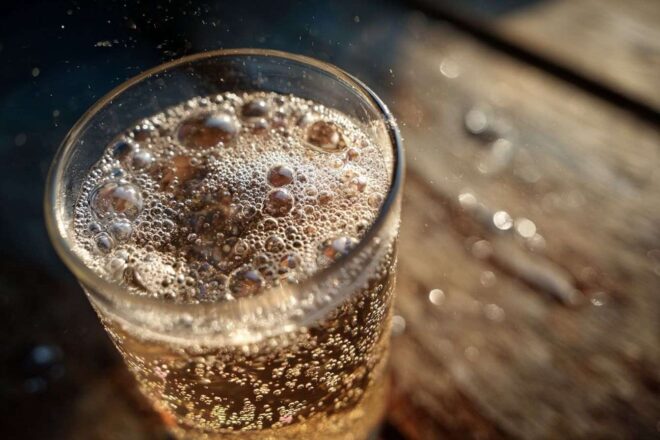
Gros plan de bulles étincelantes montant dans un verre de boisson effervescente sur une table en bois.
There is growing curiosity about whether sparkling water poses a real threat to dental enamel. Recent discussions have examined if its acidity could damage teeth, prompting experts to clarify the actual risks associated with this increasingly popular beverage.
TL;DR
- Plain sparkling water is minimally corrosive to enamel.
- Citrus-flavored options and added sugars increase dental risk.
- Sparkling water is much safer than sugary sodas.
Sparkling Water: A Safe Bet for Tooth Enamel?
The rise of sparkling water as a favorite alternative to both plain water and sugary soft drinks reflects changing habits among those wary of excessive sugar. But as its popularity grows, so too do questions about the effects of its natural acidity on dental health.
How Acidity Influences Dental Health
Central to this discussion is the impact of carbonic acid, which gives sparkling waters their characteristic fizz. The carbonation process lowers the drink’s pH, rendering it more acidic than still water—Perrier, for example, comes in at a pH of around 5.25 compared to the neutral 7 of regular bottled water. According to the American Dental Association (ADA), this level of acidity is considered “minimally corrosive,” especially when contrasted with beverages like cranberry juice, whose pH drops to 2.5 and is deemed “extremely corrosive.”
An ADA-cited study even placed extracted teeth in both still and sparkling water; researchers found no significant difference in enamel strength between the two groups, suggesting that, for most people, plain sparkling water does not pose a notable threat.
The Hidden Risks: Flavored and Sweetened Sparkling Waters
However, extra caution is warranted when it comes to flavored versions. Many citrus-infused varieties—lemon, orange or grapefruit—include added acids that can sharply increase the potential for enamel erosion. Several factors explain this increased risk:
- Citrus flavorings introduce additional acids beyond carbonic acid.
- Added sugars amplify the erosive effect on tooth surfaces.
A quick glance at ingredient lists can help consumers sidestep these hidden dangers lurking in otherwise innocent-looking bottles.
Comparisons with Sugary Soft Drinks
Despite these concerns, it’s important not to lump all carbonated drinks together. The pairing of high acidity and sugar in traditional sodas represents a far greater hazard for dental enamel than plain sparkling waters ever could. In sum, choosing unsweetened and unflavored sparkling water remains a prudent compromise—just avoid making it an all-day habit.
For those seeking refreshment without sacrificing oral health, moderation and vigilance over labels remain key watchwords in navigating the world of fizzy beverages.