Francis Ford Coppola’s Struggles Behind The Godfather’s Success
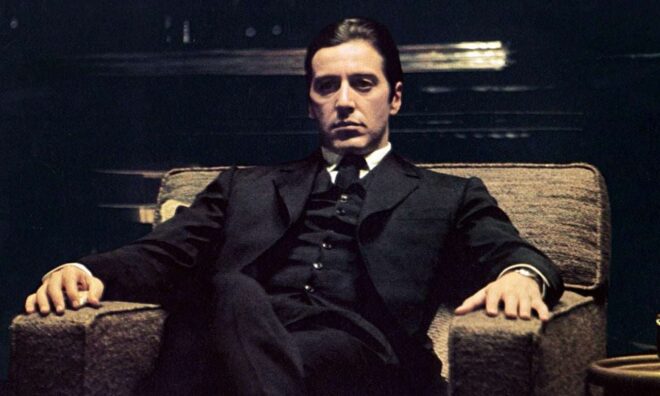
Paramount Pictures / PR-ADN
Francis Ford Coppola's journey with The Godfather was marked by both extraordinary triumph and personal hardship. While the film achieved unprecedented acclaim and transformed his career, the director faced intense challenges and pressures behind the scenes.
TL;DR
- Coppola struggled emotionally while making The Godfather.
- Success diverted him from personal artistic ambitions.
- His relationship with the film remains deeply ambivalent.
A Reluctant Maestro and His Unwanted Masterpiece
When mentioning the name Francis Ford Coppola, it is almost impossible to dissociate it from the legendary film The Godfather. Yet, beneath the shimmering surface of critical acclaim and Oscar gold lies a story far more complex—and unexpectedly fraught. At the outset, the young director, still seeking his commercial breakthrough, found himself drawn into a project he had never actively sought. “I take no pleasure in anything related to The Godfather,” he once admitted, exposing how personally arduous this journey became.
Behind the Camera: Pressure, Risk, and Exhaustion
The film’s production unfolded during one of Coppola’s most tumultuous periods—both professionally and personally. Juggling family turmoil and mounting anxieties, Coppola came dangerously close to collapse on set. The process was marked by fraught decisions: Gordon Willis’ now-iconic chiaroscuro lighting and the controversial casting of Marlon Brando were bold strokes that seemed to court disaster. Meanwhile, relentless studio interference chipped away at his confidence. Looking back, Coppola associated the experience not with triumph but discomfort: “It was just horrible… I feel sick even thinking about it,” he confessed.
The Paradox of Triumph: A Career Forever Changed
Ironically, it was precisely this unwelcome assignment that catapulted Coppola’s career into another stratosphere. The phenomenal success of The Godfather opened doors to other landmark works like The Conversation and his ambitious—if controversial—Apocalypse Now. Yet for Coppola, such triumph carried a bitter aftertaste. He felt pushed off his intended path as an auteur focused on original projects, lamenting in 1997: “Nobody really wants me to make my own films… The Godfather changed my entire trajectory.” Several factors explain this creative predicament:
- An industry eager for more sequels than originals;
- A newfound reputation that overshadowed his aspirations;
- The pressure of living up to an outsized legacy.
A Legacy Marked by Creative Tension
In subsequent years, despite attempts to revisit or reinterpret the saga—including with “The Godfather Coda”—Coppola’s attitude toward his magnum opus has remained complicated. Some observers see ingratitude in his perspective; others detect an honest reckoning with the unpredictable costs of massive success. Few filmmakers have shaped their era so profoundly while remaining so keenly aware of what their genius demanded in return.