George Lucas’ Most Controversial Star Wars Change Explained
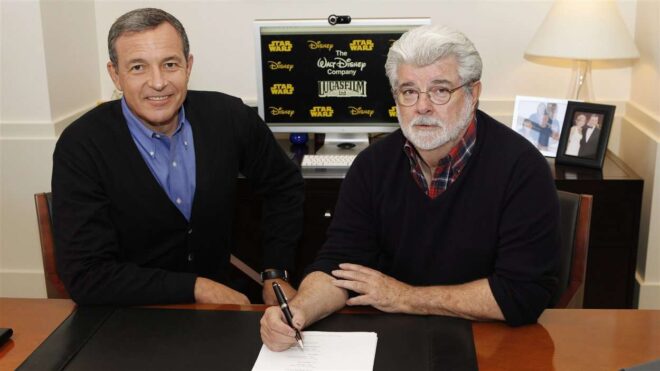
Disney / PR-ADN
Thirteen years ago, George Lucas made a significant change to the Star Wars saga that continues to spark debate among fans and critics alike. The move remains one of the franchise’s most discussed and divisive moments.
TL;DR
- Disney’s acquisition transformed Lucasfilm and the Star Wars legacy.
- Fan reactions remain mixed amid bold new projects and changes.
- Disney now shifts focus to narrative quality after criticism.
The Turning Point: Disney’s Bold Acquisition
A seismic shift occurred in the world of Star Wars back in October 2012, when George Lucas, the legendary creator behind the space saga, sold his company, Lucasfilm, to entertainment giant The Walt Disney Company. The deal—an eye-watering $4.05 billion, split equally between cash and shares—marked not just a business transaction, but an emotional rupture for Lucas himself. In later reflections, he described the sale as “painful,” though the monumental payout perhaps helped soften the blow.
From Creative Vision to Corporate Strategy
The fanbase reaction was immediate and intense. As news of Disney’s stewardship broke, online communities were abuzz with speculation. Would Disney’s vast resources usher in a golden era for the franchise? Or would they simply commodify it, reducing a beloved universe to a commercial brand? One particularly contentious move came swiftly: Disney reclassified decades of novels and comics—the so-called Expanded Universe—as mere “Legends,” sidelining them from official canon. For many longtime fans, this sweeping reboot felt like an erasure of cherished lore.
Several factors explain why this transition stirred such debate:
- A fear of corporate influence overshadowing creative storytelling
- Anxieties about maintaining continuity with established narratives
- The delicate balance between honoring heritage and expanding reach
A Mixed Record Under Disney’s Helm
In terms of output, Disney wasted no time. The launch of a new film trilogy—The Force Awakens, The Last Jedi, and The Rise of Skywalker—reinvigorated cinema screens from 2015 onward. Alongside blockbuster spin-offs like Rogue One, ambitious series such as The Mandalorian, and even immersive experiences like Galaxy’s Edge in their theme parks, the commercial success was undeniable; by 2019, Disney had already recouped its investment. Yet critical and fan responses told a more complicated story. For every enthusiast thrilled by new adventures on Disney+, there were dissenters lamenting what they saw as a dilution of Lucas’s original vision. The sheer volume of content has also led to hints of fatigue among core devotees.
A Strategic Shift Toward Narrative Depth?
Acknowledging both criticism and “fan fatigue,” Disney has recently recalibrated its approach. Projects deemed less essential have been shelved, with a sharper emphasis now on narrative depth and quality. The series Andor, which concluded after two acclaimed seasons, exemplifies this pivot. Looking ahead, upcoming titles such as The Mandalorian and Grogu or Starfighter are already fueling cautious optimism among fans.
Even if its founding visionary has stepped back, it seems improbable that Disney would relinquish such a fertile source of stories—and profit. For better or worse, the Star Wars galaxy remains in perpetual motion: divisive yet vibrantly alive.