Guillermo Del Toro’s Frankenstein Signals a New Era in Cinema
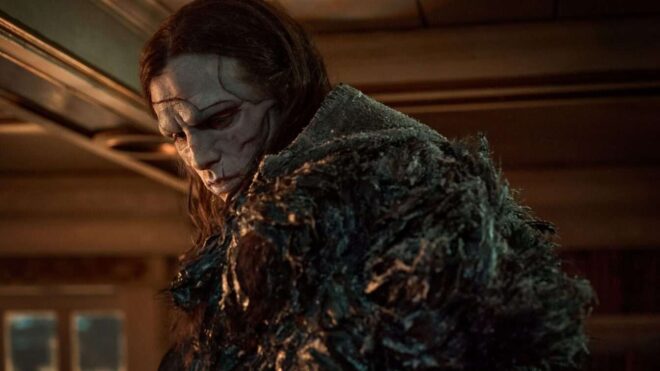
Netflix / PR-ADN
Guillermo Del Toro’s adaptation of Frankenstein signals a turning point in his cinematic journey, as the acclaimed filmmaker reimagines the iconic monster tale, marking the end of one creative era and the beginning of another in contemporary film.
TL;DR
- Guillermo del Toro releases long-awaited Frankenstein adaptation on Netflix.
- The film marks a turning point in the director’s career.
- Del Toro now seeks fresh creative directions beyond his monster legacy.
A Monster’s Journey Comes Full Circle
For nearly two decades, the acclaimed Mexican filmmaker Guillermo del Toro harbored a singular ambition: to reinterpret the myth of Frankenstein. Now, with his version finally streaming on Netflix, this passion project stands as more than just another entry in his celebrated filmography. It symbolizes a personal and professional milestone—one that closes an era for a director renowned for his love of cinematic monsters.
Del Toro openly reflects on this culmination, describing the film as the most rewarding experience of his entire career. “This film finishes so much for me… It’s my favorite cinematic experience, bar none,” he admits. The role of Frankenstein’s creature ultimately went to rising star Jacob Elordi, diverging from earlier expectations that frequent collaborator Doug Jones would don the makeup.
The Director’s Lifelong Fascination with Monsters
From early works such as Cronos and cult hits like BLADE 2 and Hellboy, del Toro’s oeuvre has always gravitated toward misunderstood or monstrous figures. Yet, he asserts that this latest adaptation goes far beyond mere homage; it is, in his words, the “culmination of an obsession” kindled during childhood. The creative process behind Frankenstein—recounted in detail in the companion book, “Frankenstein: Written and Directed by Guillermo del Toro”—offered him both unprecedented artistic freedom and profound closure.
A pivotal moment arrived during a key scene featuring Oscar Isaac, who portrays Victor Frankenstein. For del Toro, shooting this exchange marked not just a narrative climax but also a personal transformation—a sense that one chapter had ended and another was about to begin.
An Artistic Turning Point and Future Prospects
This realization doesn’t spell retreat from filmmaking; rather, it signals reinvention. Having achieved his ultimate monster vision, del Toro now expresses an eagerness to explore uncharted creative territory. Speaking with IndieWire, he outlined plans to embrace influences from 1970s cinema and experiment more boldly with lighting and set design—areas he feels remain relatively unexplored in his work.
Several factors explain this shift:
- A desire to move beyond established themes and genres.
- An urge to pursue new visual challenges and storytelling forms.
- An evolving perspective inspired by cinematic greats like Spielberg and Bigelow.
A Defining Moment for Contemporary Cinema
What lies ahead for one of modern cinema’s most respected auteurs remains unclear. However, if history is any guide, del Toro’s next project will be ambitious—and perhaps unexpected. In the meantime, viewers can discover how Frankenstein not only caps off two decades of artistic pursuit but also ushers in a bold new phase for its visionary creator.