HBO Ended This Iconic Dark Fantasy Series 20 Years Ago
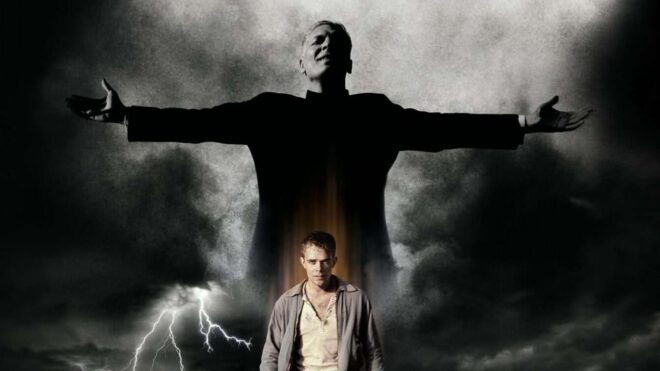
HBO / PR-ADN
Twenty years ago, HBO concluded a groundbreaking dark fantasy series that struggled to find its audience during its original run. Despite its early cancellation, the show has since gained recognition for its unique vision and lasting influence on the genre.
TL;DR
- HBO’s ambitious series struggled with costly production.
- Complex storytelling led to falling viewership.
- The show’s influence persists in modern television.
HBO Dares with Unconventional Storytelling
In the fall of 2003, HBO took a significant gamble by introducing viewers to La Caravane de l’étrange, a historical fantasy series conceived by Daniel Knauf. Rather than sticking to tried-and-true formulas, the network plunged audiences into the dust-choked highways of Depression-era America. The show trailed an itinerant carnival and followed a troubled preacher roaming California—a narrative framework that was anything but typical for television at the time. With its lavish sets, authentic period costumes, and special effects, each episode carried a staggering price tag of nearly four million dollars.
The Economic Reality Behind Artistic Ambition
Several factors explain this bold endeavor’s abrupt end:
- High production costs clashed with declining ratings—while an impressive 5.3 million tuned in for the premiere, numbers slid sharply as the story progressed, reaching just 1.7 million during its second season.
- The deliberate pacing and labyrinthine plot structure alienated potential new viewers; missing even one episode could leave audiences lost in a thicket of intersecting storylines.
- HBO’s leadership faced a dilemma: sustaining such an expensive venture for a small but fervent fanbase seemed increasingly untenable.
Narrative Decisions and an Unfinished Legacy
Curiously, the show’s untimely cancellation in May 2005 owed much to its intricate design. The creator, Daniel Knauf, envisioned La Caravane de l’étrange as a trilogy split across “books,” each intended to span two seasons. Although the second act wrapped up the confrontation between Ben Hawkins (played by Nick Stahl) and Brother Justin Crowe (Clancy Brown), countless mysteries—including those surrounding Sofie and the enigmatic Management—remained unresolved. This partial closure provided executives at HBO with a convenient exit strategy, offering just enough resolution while leaving significant questions unanswered.
A Lasting Mark on Television Storytelling
Even after its premature disappearance from airwaves, the legacy of La Caravane de l’étrange remains palpable. The show’s brooding atmosphere and mythological overtones—drawing inspiration from gnosticism and Masonic lore—have influenced subsequent television dramas. Performances from talents such as Clancy Brown, Michael J. Anderson, and Tim DeKay helped create an immersive world where moral boundaries blurred continuously.
Today, interested viewers can revisit this singular chapter of TV history through streaming on HBO Max. One can only wonder if the era of binge-watching platforms would have afforded greater patience for such complex storytelling—and perhaps granted this ambitious experiment the audience it deserved.