Isaac Asimov’s Views on Steven Spielberg and Hollywood Criticism
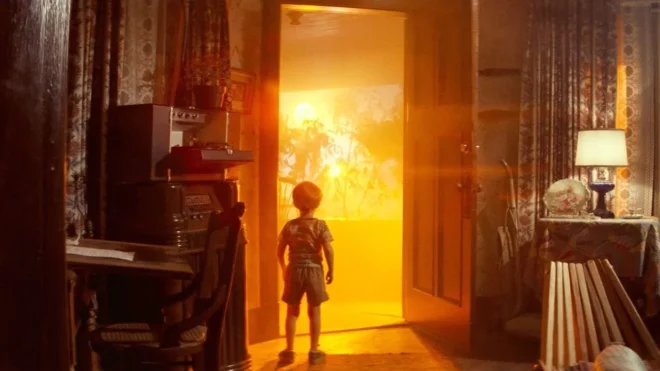
Columbia Pictures / PR-ADN
Isaac Asimov, renowned science fiction author, once offered pointed criticism of director Steven Spielberg and the broader Hollywood industry, raising questions about their approach to storytelling and adaptation of literary works for the big screen.
TL;DR
- Isaac Asimov declined writing Spielberg’s sci-fi film script.
- He criticized Hollywood’s focus on spectacle over intellect.
- Asimov’s rational legacy endures through adaptations like Foundation.
A Turning Point for Science-Fiction Cinema
When Steven Spielberg released Close Encounters of the Third Kind in 1977, he did more than just captivate moviegoers. The film, appearing during an era when American cinema gravitated towards gritty realism under auteurs like Martin Scorsese, Francis Ford Coppola, and Sidney Lumet, unexpectedly launched a new wave of spectacular blockbusters. The unprecedented success of fantasy epics such as Star Wars, crafted by George Lucas, and Spielberg’s own Jaws, helped redefine the possibilities for science-fiction on the big screen.
The Missed Collaboration: Asimov and Spielberg
Yet behind the scenes, another story unfolded. Before the widespread acclaim for Close Encounters, Spielberg reached out to acclaimed speculative fiction author Isaac Asimov, seeking his expertise for the screenplay. To many, such a pairing would seem inevitable. However, Asimov promptly refused the offer. He later quipped to the Los Angeles Times that, unfamiliar with Spielberg’s name or potential at that time, he still would have turned it down—if only “with more regret.”
A Critique of Hollywood Spectacle
Delving deeper, Asimov’s reluctance stemmed not from ignorance but conviction. He openly disparaged the proposed project as lacking intellectual discipline. In his eyes, Hollywood science fiction too often sacrificed logical storytelling for dazzling visuals—an approach he found “idiotic.” For Asimov, this trend—supercharged by the runaway popularity of effects-heavy films like Star Wars—pulled American science-fiction away from its cerebral roots.
Several factors explain this stance:
- Consistent prioritization of special effects over coherent narrative logic.
- A shift towards sensation at the expense of scientific depth and reflection.
With characteristic irony, Asimov mused that had cinema not been overtaken by visual spectacle, “400 million people would be reading my books.”
An Enduring Legacy Amid Changing Tides
Though Asimov passed away in 1992, his influence remains palpable in today’s cultural landscape. The recent adaptation of his iconic saga Foundation by Apple TV+ attests to the persistent appeal of thoughtful and rational science fiction—a subtle rebuke to an industry still negotiating its balance between stunning imagery and intellectual substance.