Italian Fedora Dessert Recipe with Crunchy Almonds and Cream
ADNADN
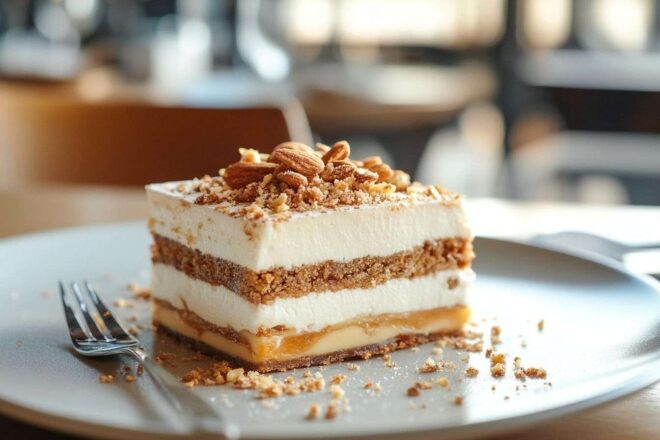
The Fedora is an Italian dessert that combines the satisfying crunch of almonds with the smoothness of rich cream, offering a harmonious blend of textures and flavors that has earned it a cherished place in Italian pastry traditions.
TL;DR
- Sicilian Fedora cake experiences a remarkable resurgence.
- Combines tradition with creative, modern flavor variations.
- Key elements: soaked sponge, whipped cream, toasted almonds.
A Sicilian Classic Finds New Life
The world of pastry is no stranger to revivals, and lately, the spotlight has shifted onto the Fedora, a time-honored dessert from Sicily. For years, this refined cake lingered mostly in family memories or behind the glass of a few discreet bakeries. Now, bolstered by popular cooking shows—“Le Meilleur Pâtissier” springs to mind—the Fedora is experiencing an unexpected renaissance. Perhaps it’s the public’s growing appetite for authentic tastes, or maybe it’s the subtle thrill of rediscovering forgotten gems. Either way, tradition is making a comeback—though never at the expense of creativity.
The Subtle Artistry Behind Fedora
At its core, the Fedora exemplifies Mediterranean pastry at its finest. Light yet moist sponge cake forms the base, delicately soaked and then blanketed in billowy whipped cream. The finishing touch? A generous coating of golden, toasted almonds—delivering that crucial interplay between softness and crunch. Bakers often experiment with flavors: coffee lends depth, chocolate adds richness, while citrus provides a bright counterpoint. This harmonious blend ensures each bite strikes a balance between sweetness and freshness.
Curiously enough, debate lingers over the origin of its name. Some suggest inspiration came from the iconic felt hat; others believe it’s a nod to famed opera singer Fedora Barbieri. The ambiguity only deepens the dessert’s allure.
Crafting Fedora: Technique and Ingredients
Several factors explain why this cake stands apart:
- Eggs, sugar, flour and almond meal create that signature airy sponge.
- Heavy cream, whipped cold with confectioners’ sugar, yields a stable Chantilly.
- A splash of Marsala or amaretto imparts unmistakable Italian character.
- Finally, ample slivers of toasted almonds bring aroma and crunch.
Preparation involves meticulous steps: after baking and cooling the sponge, each half gets a generous soak in homemade syrup before being layered with chantilly. Only then does the crowning shower of nuts complete the picture.
Sicilian Heritage Reimagined for Today
Surprisingly resilient amid trendier desserts like tiramisu or panna cotta, Fedora’s comeback speaks volumes about Italians’ devotion to culinary heritage. Its newfound popularity could well entice adventurous palates eager to explore recipes where old meets new in perfect harmony. For anyone yearning for a slice of Sicilian nostalgia—without ever leaving their kitchen—the Fedora promises both discovery and delight.