James Bond Movies Face Digital Censorship on Amazon
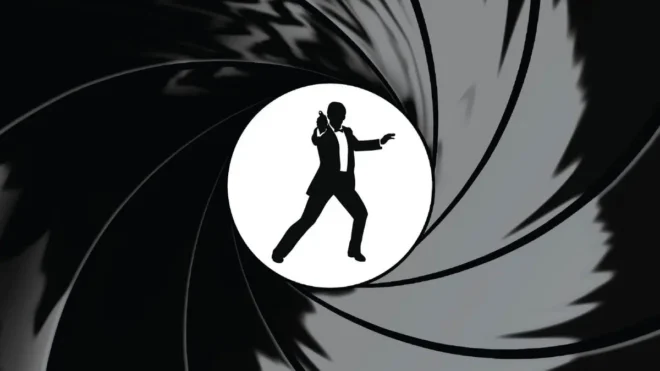
Amazon MGM Studios / PR-ADN
Amazon's recent decisions regarding the digital availability of James Bond content have sparked debate about censorship and media control. The controversy highlights broader concerns over how major streaming platforms influence access to classic works in the digital age.
TL;DR
- Amazon altered James Bond posters, removing guns from visuals.
- Controversy fuels concerns about franchise’s future and digital control.
- Streaming platforms face criticism from collectors favoring physical media.
An Iconic Spy at the Center of Digital Storm
The world of James Bond found itself embroiled in a heated debate after a recent move by streaming giant Amazon Prime Video. During the annual James Bond Day on October 5th, the platform showcased a series of classic film posters—including those for “Dr. No,” “GoldenEye,” and “Spectre”—only with one jarring omission: the legendary spy’s firearms had been edited out. The alteration was quickly spotted by devoted fans, who shared screenshots of the retouched images across social media. The backlash was swift and widespread, with many decrying what they saw as an erasure of a central element of the character’s identity.
Turbulence After Amazon’s MGM Takeover
This episode has only intensified anxieties swirling since Amazon acquired MGM, the historic studio behind the franchise. The gradual exit of long-standing producers such as Barbara Broccoli and Michael G. Wilson has left enthusiasts questioning the direction of future films. Under new corporate leadership, some worry that Bond could lose his distinctive edge or be diluted beyond recognition—concerns that the recent poster edits seem to reinforce. For many, this misstep feels like a troubling signal for how major tech companies might handle beloved cultural icons.
The Roots Behind the Poster Edits
Yet, not all explanations point to deliberate ideological motives. According to several industry watchers, strict content policies enforced by platforms like Facebook and Instagram, which often flag images depicting weapons as “sensitive content,” may have prompted this unusual decision. Faced with potential restrictions or blocked promotions, it appears that Amazon Prime Video preemptively modified its promotional materials to comply with these digital standards.
Several factors explain this decision:
- Social media policies: Strict rules around depictions of firearms.
- Risk of limited visibility: Posts containing weapons can be suppressed.
- Cautious corporate strategy: Anticipating backlash or compliance issues.
In response to public outcry, Amazon Prime Video swiftly withdrew the altered posters and replaced them with neutral versions free from controversial elements. Nonetheless, the episode has reignited an ongoing debate over how much power streaming platforms wield in shaping—or reshaping—popular culture.
A New Argument for Physical Media?
More broadly, this incident throws fresh light on the impermanence and editorial risks associated with digital content. If even classics like Bond can be subtly modified at a company’s discretion, what assurances exist for film preservation? For collectors and cinephiles who favor DVDs and Blu-rays, this serves as yet another compelling reason to stick with tangible formats—immune to sudden corporate revisions or algorithm-driven censorship. In a world where streaming can rewrite history overnight, physical media seems more valuable than ever.