Nasry Asfura, Trump Ally Accused of Fraud, Leads Honduras
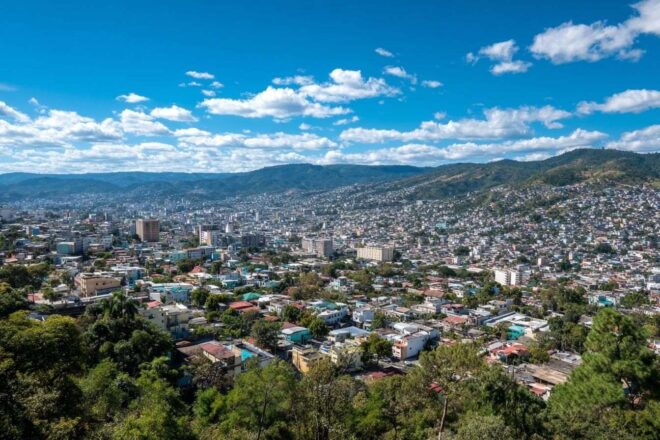
Vue panoramique de Tegucigalpa, Honduras, capturant le paysage urbain vibrant sous un ciel bleu clair.
Nasry Asfura, a politician with close ties to former US President Donald Trump and facing allegations of fraud, has assumed leadership of Honduras, raising concerns about governance and potential implications for the country’s relationship with the United States.
TL;DR
- Nasry Asfura inaugurated after contested Honduran election.
- Closer U.S. ties and economic reforms on the agenda.
- Security crisis and poverty present urgent challenges ahead.
A New Presidency Amid Deep Controversy
Few recent transitions in Central America have been as fraught as the one unfolding in Honduras. On January 27, Nasry Asfura was sworn in as the nation’s new president, following a prolonged and fiercely disputed electoral process. Delays of nearly three weeks before confirming results stoked suspicions of fraud and left outgoing president Xiomara Castro openly denouncing foreign interference—specifically pointing to alleged support from then-U.S. president Donald Trump, who had made little effort to hide his preference for the conservative candidate.
Pursuing Stronger U.S. Relations and Economic Revival
Upon assuming office, President Asfura wasted no time signaling a diplomatic pivot toward Washington. After meeting with U.S. Secretary of State Marco Rubio, he outlined plans for a new free trade agreement—critical for Honduras, given that roughly 60% of its exports are destined for the American market. Several factors explain this decision:
- The vital role of remittances from nearly two million Hondurans living abroad, many undocumented.
- The uncertain status of Temporary Protected Status (TPS) for 60,000 Hondurans threatened with deportation.
- A pressing need for economic stability and foreign investment.
The stakes are high: bilateral relations will shape both migration policy and the broader economic landscape.
An Unforgiving Security Landscape
Yet while international overtures make headlines, it is at home where President Asfura faces perhaps his toughest test. Violent crime remains staggeringly high—Honduras reports an annual homicide rate of 23 per 100,000 residents, making it one of the continent’s deadliest countries. Gangs like the infamous Mara Salvatrucha and Barrio 18, designated as terrorist organizations by Washington, exert relentless control over urban life through extortion and fear. “If you don’t pay up, you die,” confides Daniel Santos, a taxi driver in Tegucigalpa. The administration has promised robust anti-extortion measures but rejects adopting the harsh tactics seen recently in neighboring El Salvador.
Navigating Political Obstacles and Social Expectations
Without an outright majority in parliament, Asfura must now persuade lawmakers to back sweeping reforms aimed at attracting foreign investors while keeping public debt—which currently stands at a daunting 45% of GDP—in check. Meanwhile, six out of ten Hondurans continue to live in poverty—a stark reminder that social progress will require more than political rhetoric or external alliances. Ultimately, Honduras’s future may hinge on whether its new leader can strike a delicate balance between international outreach and domestic stability—a challenge that grows more urgent by the day.