Netflix’s Frankenstein Adaptation: Faithful to Mary Shelley’s Novel?
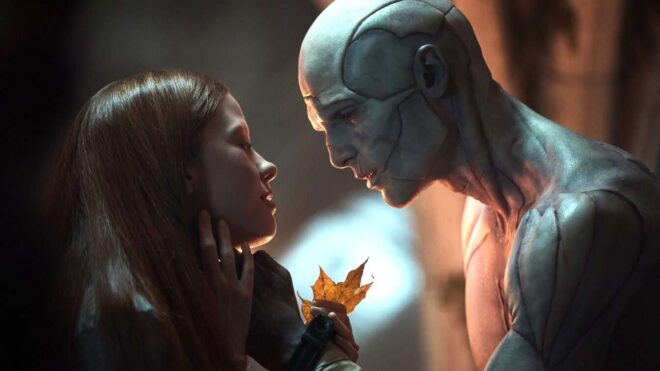
Netflix / PR-ADN
Netflix’s new adaptation of Frankenstein has reignited debate among fans and critics alike, with many questioning whether the film captures the essence of Mary Shelley’s original novel or diverges too far from its literary roots.
TL;DR
- Guillermo del Toro reimagines the Frankenstein mythos for Netflix.
- Characters’ backgrounds and relationships are boldly transformed.
- The film explores responsibility and redemption in new ways.
A Radical Take on a Literary Classic
Reinventing a cornerstone of literature is never straightforward, yet Guillermo del Toro has ventured into the daunting territory of Mary Shelley’s Frankenstein with both reverence and bold innovation. His new adaptation for Netflix opens unconventionally—not with the iconic scientist or his infamous creation, but with the story of a ship captain ensnared in arctic ice. This narrative choice directly echoes the novel’s original structure, though names and details are subtly altered, establishing from the outset an atmosphere steeped in unease and unfamiliarity.
Fresh Portraits and Upended Relationships
Rather than revisiting the familiar contours of Victor Frankenstein’s life, Del Toro delves deeper into his protagonist’s formative years. He paints a portrait of Victor shaped by an exacting father and haunted by his mother’s early death—elements that fuel his later obsessions. The surrounding cast shifts as well: Victor’s confidant is not Henry, as tradition dictates, but Henrich Harlander, an uncle to Elizabeth. Elizabeth herself is no longer destined to be Victor’s bride; she is now set to marry his brother William and harbors open resentment toward Victor, adding further dramatic tension.
Several factors explain these creative departures:
- The Creature’s humanity is emphasized—its violence stems only from defense or compassion.
- Victor Frankenstein becomes increasingly culpable for the story’s tragedies.
The Reversal of Vengeance and Narrative Voice
In this reinterpretation, the portrayal of revenge takes on a different shape. Where Shelley depicted a monster driven to violence by isolation, Del Toro’s Creature only lashes out when threatened or protecting others. Gratuitous vengeance disappears; it is instead Victor who emerges as the architect of much suffering.
A significant shift occurs in narrative structure as well. The film permits not only Victor but also the Creature to recount their truths to Captain Anderson—a departure from Shelley’s approach where only Victor narrates to Walton. This dual perspective lends greater complexity to questions of agency and culpability.
A Closing Note on Redemption
The film’s conclusion offers a gesture absent from its literary source: Victor seeks forgiveness from his creation, infusing their final encounter with unexpected emotion. In so doing, Del Toro does more than pay homage to gothic tradition; he provokes reflection on what constitutes true monstrosity and humanity. Viewers are left to ponder: who bears responsibility—the maker or what he made?