Rogue One: Star Wars Behind-the-Scenes Drama and Production Secrets
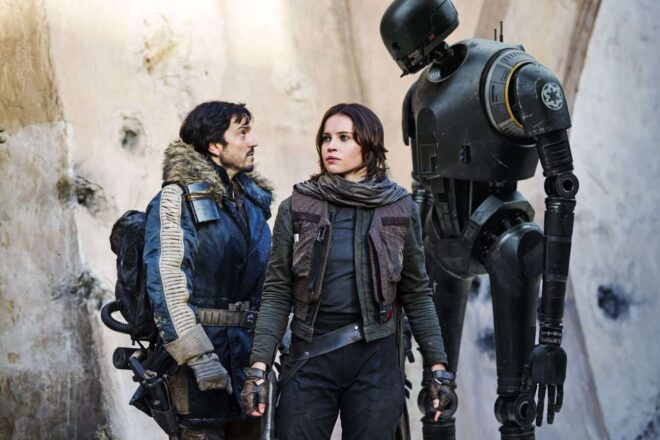
Disney / PR-ADN
Behind the scenes of Rogue One: A Star Wars Story, the production faced significant turmoil. Reports surfaced of creative disagreements, extensive reshoots, and shifting leadership, revealing a turbulent process that contrasted sharply with the film’s eventual success.
TL;DR
- Rogue One script underwent multiple rewrites by many writers.
- Actors struggled with an unfinished, constantly changing script.
- The tragic ending was a late decision for narrative coherence.
Behind the Scenes: A Tumultuous Script Journey
For anyone who admired the apparent seamlessness of Rogue One: A Star Wars Story, the reality behind the camera might come as a surprise. While credits roll with only Tony Gilroy and Chris Weitz listed as writers, the screenplay’s actual journey was anything but straightforward. Names like Gary Whitta, Christopher McQuarrie, Scott Z. Burns, and even Michael Arndt each took a turn at reshaping the story. This relentless cycle of rewrites stemmed largely from studio ambition—The Walt Disney Company, owner of the franchise, pressed for that elusive “perfect” blockbuster. In such conditions, maintaining a unified creative vision proved challenging, with plotlines evolving in response to changing expectations.
The Actors’ Unsettling Experience on Set
This perpetual state of flux did not go unnoticed by those in front of the camera. Danish actor Mads Mikkelsen, who portrayed Galen Erso, described to Variety just how unfinished things felt: “For a Star Wars film, it was surprisingly incomplete on the script level. It changed all the time… I’m not sure they ever truly locked in a final version.” Navigating this uncertainty wasn’t easy—though Mikkelsen managed thanks to clear character outlines, his younger co-stars like Felicity Jones (Jyn Erso) and Diego Luna (Cassian Andor) faced greater difficulties amid shifting roles and scenes.
Moreover, filming itself brought its own set of trials. Grueling shoots under cold rain left their mark on Mikkelsen’s memory—a testament to the demanding atmosphere on set, even if camaraderie among cast and crew offered some compensation.
An Ending Shaped by Franchise Logic
The story audiences now know nearly took a very different path. Initially, according to director Gareth Edwards, all principal characters were intended to survive their desperate mission. Only after careful deliberation—and express approval from Disney—was the now-familiar tragic conclusion selected. This choice ensured consistency with broader Star Wars lore, where sacrifice was essential to securing the Death Star plans.
A Mixed Legacy for an Ambitious Spin-Off
So how does Rogue One fare in hindsight? While lauded for its immersive effects and striking visuals—much owed to cinematographer Greig Fraser—the film hasn’t escaped criticism. Viewers and critics alike often cite an incoherent script and underdeveloped characters as weaknesses. Several factors explain this perception:
- A revolving door of screenwriters muddled narrative clarity;
- Poorly defined character arcs hampered audience investment;
- The pressure for blockbuster appeal diluted distinctive storytelling.
Perhaps this serves as a lesson for Hollywood: sometimes fewer voices can yield stronger stories—and restore much-needed creative unity to ambitious franchises like Star Wars.